For individuals who wear glasses, the pursuit of truly comfortable headphones often feels like an unending quest. The delicate frames of spectacles can transform what should be a blissful audio experience into a nagging source of temple pressure, ear fatigue, and even compromised sound quality. Imagine settling into your favorite music or an immersive game, only to be constantly distracted by the uncomfortable pinch where your headphone earcups meet your glasses’ arms. This persistent discomfort isn’t merely an inconvenience; it’s a significant barrier to enjoying your audio to the fullest. But what if you could achieve perfect, pain-free listening without sacrificing your vision? This comprehensive guide explores the best headphone options, crucial design features, and even complementary solutions to help you find your ideal pair.
Common Challenges for Glasses Wearers
The primary hurdle for glasses wearers is the unavoidable pressure created when over-ear headphones push the arms of spectacles against the side of the head. This pressure can lead to localized pain at the temples and around the ears, especially during extended listening sessions. Beyond physical discomfort, the presence of glasses frames can also break the seal between the headphone earcup and the head. A compromised seal allows external noise to leak in and audio to leak out, degrading noise cancellation performance and overall sound quality, making it harder to immerse yourself in your audio.
Choosing the right type of headphones becomes crucial. While in-ear options completely bypass this issue, many prefer the soundstage, active noise cancellation, and overall immersive experience of over-ear headphones. The challenge then lies in finding over-ear models specifically designed or inherently suited to accommodate glasses without causing discomfort. Understanding the common pain points is the first step toward discovering solutions that cater to your unique needs as a glasses wearer.
Types of Headphones and Glasses Compatibility
The world of headphones offers diverse designs, each interacting differently with glasses. Knowing these distinctions is key to making an informed choice for maximum comfort and audio integrity.
Over-Ear Headphones
|
Our Picks for the Best headphone in 2026
As an Amazon Associate I earn from qualifying purchases.
|
||
| Num | Product | Action |
|---|---|---|
| 1 | Sony WH-CH720N Noise Canceling Wireless Headphones Bluetooth Over The Ear Headset with Microphone and Alexa Built-in, Black New |

|
| 2 | Sony WH-CH720N Noise Canceling Wireless Headphones Bluetooth Over The Ear Headset with Microphone, Pink |
|
| 3 | Amazon Basics Bluetooth On-Ear Headphones Wireless with Microphone, Deep Bass, 35 Hour Playtime, Foldable, Collapsible, Portable Travel Friendly, Black |
|
| 4 | Soundcore by Anker Q20i Hybrid Active Noise Cancelling Headphones, Wireless Over-Ear Bluetooth, 40H Long ANC Playtime, Hi-Res Audio, Big Bass, Customize via an App, Transparency Mode (Pink) |
|
| 5 | Soundcore by Anker Q20i Hybrid Active Noise Cancelling Headphones, Wireless Over-Ear Bluetooth, 40H Long ANC Playtime, Hi-Res Audio, Big Bass, Customize via an App, Transparency Mode |
|
| 6 | Soundcore by Anker Q20i Hybrid Active Noise Cancelling Headphones, Wireless Over-Ear Bluetooth, 40H Long ANC Playtime, Hi-Res Audio, Big Bass, Customize via an App, Transparency Mode (White) |
|
| 7 | Sony WH-CH720N Noise Canceling Wireless Headphones Bluetooth Over The Ear Headset with Microphone and Alexa Built-in, White New |
|
| 8 | Amazon Basics On Ear Wired Computer Headset with Adjustable Microphone, 3.5mm Port or in-Line Control with USB-A Port, Foldable, Clear Sound, Small/Medium Size, Black |
|
| 9 | Amazon Basics Hybrid Active Noise Cancelling Headphones, 35 Hours Playtime with ANC on and 45 Hours with ANC Off, Wireless, Over Ear Comfortable Fit, Bluetooth, One Size, Black |
|
| 10 | Soundcore by Anker Q20i Hybrid Active Noise Cancelling Headphones, Wireless Over-Ear Bluetooth, 40H Long ANC Playtime, Hi-Res Audio, Big Bass, Customize via an App, Transparency Mode |
|
Over-ear, or circumaural, headphones fully enclose your ears, often providing superior sound isolation and a more immersive experience. For glasses wearers, these are typically the most sought-after but also the most problematic. The main issue stems from the headphone’s clamping force, which presses the earcups against the head, invariably squeezing glasses frames against the temples.
However, many over-ear models are designed with features that significantly mitigate this problem. Key comfort elements include deep, spacious earcups that prevent your ears and frames from being squashed, along with plush earpad materials like memory foam or velour that can mold around the glasses arms. A balanced, not overly tight, clamping force is also essential. While they can be challenging, the right over-ear headphones can still offer an exceptional and comfortable experience for those with glasses.
On-Ear Headphones
On-ear, or supra-aural, headphones rest directly on your ears rather than enclosing them. This design generally makes them a less ideal choice for glasses wearers. Because the earcups sit directly on the ear, they are almost guaranteed to press the glasses frames against your ears and head with considerable force. This direct pressure can quickly lead to discomfort, pinching, and even pain. While some lightweight on-ear models might offer minimal interference, they typically don’t provide the long-term comfort that glasses wearers seek, especially during extended listening periods. The lack of a secure seal can also negatively impact sound quality and noise isolation.
In-Ear Headphones (Earbuds)
For many glasses wearers, in-ear headphones, commonly known as earbuds, are the ultimate solution for comfort. Since they sit inside the ear canal or nestle within the outer ear, they completely bypass the issue of interfering with glasses frames. There is no headband or earcup to press against the temples or ears, eliminating any pressure points related to eyewear. This makes earbuds an inherently comfortable option for long listening sessions, gaming, or calls, as your glasses remain entirely unaffected.
However, earbuds have their own set of considerations. While many offer excellent sound quality and active noise cancellation, some users may find the fit less secure than over-ear models, particularly during vigorous activity. Additionally, while recent advancements have improved soundstage and immersion, some audiophiles still prefer the expansive sound signature often found in larger over-ear headphones. Ultimately, if frame interference is your primary concern, high-quality earbuds provide a direct and effective remedy.
Bone-Conduction Headphones
Bone-conduction headphones present a truly unique solution for glasses wearers by delivering sound through vibrations sent directly to your cheekbones, bypassing the eardrums entirely. This innovative design means the headphones sit outside your ears, typically resting on your cheekbones just in front of your ears, with a band that wraps around the back of your head.
The significant advantage for glasses wearers is that there is absolutely no contact with the ears or temples, eliminating any pressure or interference with spectacle frames. This ensures unparalleled comfort, making them an excellent choice for activities where you need to be aware of your surroundings, like running or cycling. However, bone-conduction headphones generally don’t offer the same level of sound fidelity, bass response, or noise isolation as traditional over-ear or in-ear models. They are ideal for specific use cases where awareness and absolute comfort with glasses are paramount.
Essential Factors for Selecting Comfortable Headphones
Choosing headphones that perfectly blend audio quality with glasses-friendly comfort requires careful consideration of several design elements. Focusing on these specific features will guide you toward a pain-free listening experience.
Earcup Design and Material
The design and materials of the earcups are arguably the most critical factors for glasses wearers. Deep, spacious, and often oval-shaped earcups are ideal because they completely encircle the ear without pressing it against the internal driver or, crucially, against your glasses frames. This “circumaural” design ensures ample room for both your ears and the temples of your glasses.
When it comes to materials, memory foam is a standout choice. It conforms to the unique contours of your head and glasses, molding around the frames instead of simply pressing into them. Other plush, breathable materials like velour, fabric, or suede are also excellent options. They create less friction against glasses frames and allow for better airflow, preventing heat buildup and discomfort. Some specialized gaming headsets even incorporate “eyewear channels” – small grooves cut into the earpads specifically designed to accommodate glasses stems. These subtle yet impactful design choices can make a monumental difference in long-term comfort.
Clamping Force
The clamping force refers to how tightly the headphone headband presses the earcups against your head. For glasses wearers, a high clamping force is a direct antagonist to comfort, as it exacerbates the pressure on the temples where glasses frames rest. The ideal headphones will feature a balanced, gentle clamping force that provides a secure fit without creating excessive pressure. This ensures that the headphones stay in place while minimizing the squeeze on your glasses and head. Many manufacturers now design their premium models with a focus on this ergonomic balance, allowing for extended wear without discomfort. When researching, look for reviews that specifically mention “light clamp” or “comfortable for long sessions” as indicators of a well-engineered clamping force suitable for spectacle users.
Weight and Headband
The overall weight of the headphones, combined with the design of the headband, plays a significant role in comfort. Lighter headphones naturally exert less downward pressure on your head and less lateral pressure when combined with clamping force, reducing strain during prolonged use. Heavy headphones, even with good earpads, can become fatiguing over time.
A well-designed headband is equally important. Look for headbands that are flexible and feature ample padding across the top of your head. This helps distribute the headphone’s weight evenly, preventing uncomfortable pressure spots on the crown of your head. Flexible headbands also adapt better to different head sizes and shapes, accommodating both the user’s head and their glasses more effectively.
Adjustability
Adjustability features are crucial for customizing the fit of your headphones to perfection, especially when wearing glasses. A highly adjustable headband allows you to modify the overall fit and subtly alter the clamping force. More importantly, earcups that swivel and tilt are incredibly beneficial. This flexibility enables the earcups to pivot and align more naturally with the angle of your head and the path of your glasses frames, creating a better seal and reducing localized pressure points around your temples and ears. The ability to fine-tune the earcup position ensures that the headphones accommodate your glasses rather than fight against them, leading to a more secure and comfortable fit.
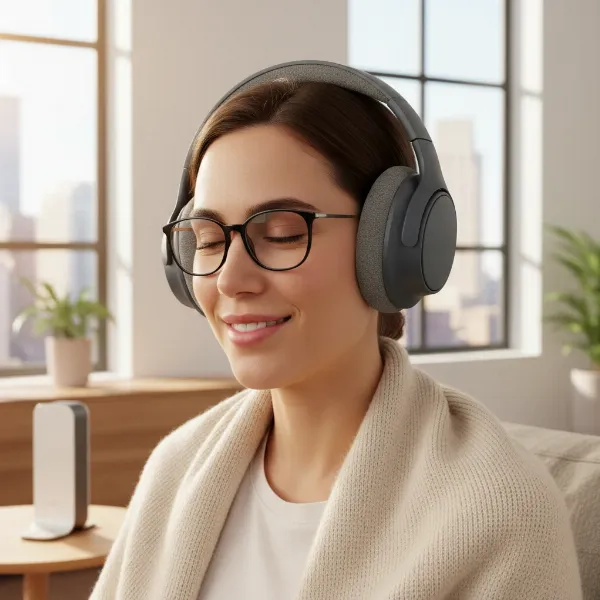 A person wearing over-ear headphones and glasses, looking comfortable and relaxed, with a focus on the earcup material gently molding around the glasses frames in a modern, clean style.
Top Headphone Recommendations for Glasses Wearers
Finding the perfect pair involves balancing sound quality, features, and, most importantly, comfort with your eyewear. Based on user feedback and expert reviews, several models consistently stand out for their glasses-friendly designs.
Sony WH-1000XM Series (XM3, XM4, XM5)
The Sony WH-1000XM series, including the XM3, XM4, and the latest XM5, are frequently lauded as benchmarks for headphones that are comfortable for glasses wearers. These headphones feature exceptionally soft, deep, and plush earcups, often made with memory foam, which allows them to mold around glasses frames with minimal pressure. Their balanced clamping force ensures a secure fit without excessive squeeze, and their industry-leading active noise cancellation (ANC) remains effective even with glasses on.
Bose QuietComfort Series (QC35 II, QC45, QuietComfort)
Bose QuietComfort headphones, such as the QC35 II, QC45, and the newer QuietComfort models, are legendary for their comfort, often considered the “gold standard” for glasses wearers. They are lightweight and boast extremely soft ear cushions with a gentle clamping force, providing ample breathing room for glasses frames. This design minimizes pressure points, making them ideal for long listening sessions and travel. Their excellent noise cancellation is another key highlight.
Sennheiser Momentum 4 Wireless / Open-back Series
Sennheiser headphones, particularly the Momentum 4 Wireless, offer a blend of premium sound and comfort. The Momentum 4 Wireless features an ultra-lightweight design and soft earpads that contribute to extended wear comfort. Older open-back Sennheiser models (like the HD590 or 558 series) have also been praised for their light build and accommodating earcups, which are comfortable for glasses wearers, providing a spacious soundstage that can be less fatiguing.
Logitech G435 (Gaming)
For gamers who wear glasses, the Logitech G435 is a standout budget-friendly option. It’s exceptionally lightweight and features memory foam cushions that cradle the head, preventing the headphones from pressing against the temples of glasses. This design focus makes it a popular choice for long gaming sessions where comfort is paramount.
Anker Soundcore Life Q30 (Budget)
The Anker Soundcore Life Q30 offers great comfort and effective active noise cancellation at an affordable price point. Its soft memory foam cushions and adjustable headband are designed to provide a comfortable fit, even for those with glasses, making it a strong contender for budget-conscious users.
Sonos Ace
The Sonos Ace is a newer contender praised for its well-rounded performance and comfort. It features plush memory foam earcups and a balanced clamping force, designed to provide excellent comfort even during long listening sessions with glasses. Its premium build and detailed sound make it a versatile option.
Beyond Headphones: Glasses and Accessories for Enhanced Comfort
While selecting the right headphones is crucial, sometimes the solution lies not just with your audio gear, but also with your eyewear or additional accessories. Optimizing your glasses and considering specialized tools can dramatically improve your overall comfort.
Choosing Glasses Frames
The design of your glasses frames can significantly impact headphone comfort. When choosing new glasses, consider frames with thin and flat temples (the arms of the glasses). These distribute pressure more evenly than thick or round frames, reducing the point of contact and minimizing the squeeze from headphone earcups.
Look for frames made from flexible materials such as titanium or ULTEM plastic. These materials are more forgiving and can bend slightly under pressure, preventing them from digging into your head. Some companies even design “headset-compatible” frames, like Zenni Optical’s OptiFlex line, which feature ultra-lightweight designs and 1.5mm thin temples specifically tailored for use with headsets, ensuring a barely-there feel even with headphones on. Making a conscious choice about your glasses can be a long-term solution to headphone discomfort.
Comfort Accessories
Sometimes, a small addition can make a big difference. Innovative accessories like OCUCLIPS are designed specifically to alleviate headphone pressure for glasses wearers. These small, soft accessories attach to the arms of your glasses, creating a cushioning layer that redistributes the clamping force of headphones. By absorbing pressure, OCUCLIPS ensure a more comfortable fit without having to replace your favorite headphones or glasses. They are easy to install, universally fitting for most glasses and headphones, and offer an affordable solution to temple pain. Such accessories provide an immediate and effective way to enhance comfort.
Buying Guide: Your Path to Pain-Free Listening
Navigating the vast market of headphones can be daunting, but with a clear strategy, glasses wearers can confidently find their ideal pair. Follow these steps to ensure you invest in comfort and quality.
Assess Your Primary Use Case
Before diving into models, consider how you’ll primarily use your headphones. Are they for casual music listening, intense gaming sessions, long commutes, professional calls, or vigorous workouts? Your usage will dictate essential features like noise cancellation, microphone quality, wireless capabilities, and durability. For instance, a gamer might prioritize an “eyewear channel” in the earpads, while a commuter might focus on top-tier active noise cancellation and soft, lightweight earcups for extended wear. Aligning your needs with headphone features will narrow down your options effectively.
Define Your Budget
Headphones range dramatically in price, from budget-friendly options under $100 to premium audiophile sets costing hundreds. Establish a realistic budget upfront. Different price segments offer varying levels of build quality, sound performance, and comfort features. While more expensive models often provide superior materials like memory foam and softer clamping forces, there are increasingly comfortable and affordable options available today that cater specifically to glasses wearers. Knowing your budget helps manage expectations and efficiently guides your search.
Research Specific Features
Delve into the technical specifications and design elements crucial for glasses compatibility. Prioritize headphones with deep, spacious earcups, plush earpad materials (memory foam, velour, or fabric), and a reputation for balanced, gentle clamping force. Look for adjustability in the headband and earcups, such as swiveling pivots, that allow the headphones to conform to your head and glasses. Features like “eyewear channels” in gaming headsets are a bonus. Don’t solely focus on sound quality; comfort features for glasses wearers are equally, if not more, important in this specific search.
Read Reviews and Comparisons
Once you have a few models in mind, seek out detailed reviews and comparisons. Pay particular attention to feedback from other glasses wearers. Many reviews explicitly mention comfort with eyewear, often highlighting how well earcups conform around frames or if temple pressure is an issue. Websites, forums, and YouTube channels dedicated to audio gear often provide valuable insights from real-world users, helping you gauge the actual comfort level of specific models with glasses. Look for common themes regarding pressure points and long-term wearability.
Try Them On (If Possible)
The most effective way to assess comfort is to try the headphones on yourself, ideally while wearing your glasses. Visit electronics stores or audio showrooms that allow product demonstrations. Pay close attention to how the earcups sit around your ears and frames, the sensation of the clamping force, and any immediate pressure points on your temples. Walk around for a few minutes to get a sense of the weight and stability. What feels comfortable for five minutes might become an issue after an hour, so a thorough try-on can save you from buyer’s remorse.
Consider Return Policies
Even after extensive research and trying them on, comfort can sometimes only be truly assessed after several hours of use. Therefore, always purchase from retailers with clear and generous return policies. This provides a safety net, allowing you to thoroughly test the headphones in your usual environment with your glasses on. If they don’t meet your comfort expectations after a few days, you’ll have the option to exchange them for a different model, ensuring your ultimate satisfaction.
Ultimately, finding the most comfortable headphones while wearing glasses is a personal journey, but a rewarding one. By prioritizing deep, plush earcups, balanced clamping force, and lightweight designs, you can significantly mitigate the common discomforts. Remember that the right pair of headphones should complement your lifestyle, allowing you to immerse yourself fully in your audio without the distraction of aching temples or sore ears. Don’t settle for less; your ears and eyes deserve the best of both worlds.
Frequently Asked Questions
Do noise-cancelling headphones cause more pressure with glasses?
Not necessarily. High-quality noise-cancelling headphones are often designed with soft padding and ergonomic builds to minimize pressure, even with glasses. The key is a balanced clamping force and plush earpads that conform around your frames rather than squeezing them, ensuring both effective noise cancellation and comfort.
What earcup materials are best for glasses wearers?
Memory foam, velour, fabric, and suede are generally the best earcup materials for glasses wearers. These materials are soft, breathable, and conform more easily around glasses frames, reducing pressure and increasing comfort compared to stiffer options like pleather or leather.
Can changing my glasses frames improve headphone comfort?
Yes, absolutely. Switching to glasses frames with thinner, flatter temples made from flexible materials like titanium or ULTEM plastic can significantly reduce pressure points when wearing headphones. Some companies even offer “headset-compatible” frames designed specifically for this purpose.
Are in-ear headphones or earbuds more comfortable with glasses?
In-ear headphones (earbuds) typically offer the highest level of comfort for glasses wearers because they don’t make any contact with the temples or outer ear, completely avoiding interference with glasses frames. This makes them an excellent choice if your primary concern is eliminating pressure points related to eyewear.