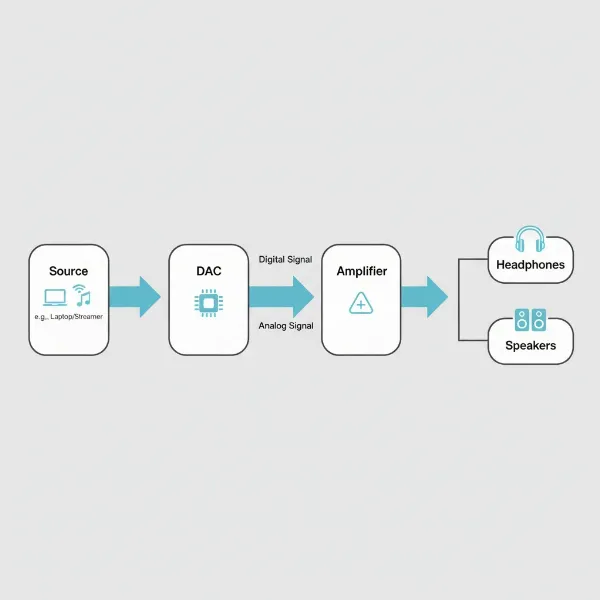
In the captivating world of audio, few topics spark as much passionate debate as the role of cables. Is an expensive, exotic cable a vital upgrade, unlocking hidden depths in your music, or is it merely “snake oil” – an overpriced accessory with no tangible benefit? As an audio technician with over a decade of experience, I’ve navigated this complex landscape, and I’m here to shed light on whether cables truly matter to your listening experience. It’s a nuanced discussion, often simplified into extremes, but understanding the underlying principles can help you make informed decisions for your personal audio setup.
The Great Cable Debate: Snake Oil or Real Improvement?
The question of whether audio cables affect sound quality is a long-standing contention in the audiophile community. On one side, skeptics argue that any perceived differences are either imperceptible to the human ear, a result of the placebo effect, or lack objective scientific proof under controlled conditions. They often highlight that electrical measurements frequently show minimal differences between various cables, leading them to dismiss claims of sonic improvement as exaggerated marketing.
Conversely, many audiophiles assert that high-quality cables can indeed refine the listening experience, describing improvements in clarity, soundstage, and bass response. These enthusiasts often rely on their subjective hearing experience, reporting noticeable enhancements when upgrading their cables. The truth, however, lies somewhere in the middle, residing in the subtle interplay of physics, system synergy, and individual perception.
How Audio Cables Can Influence Sound (The Science Behind It)
While cables don’t “improve” sound in the sense of adding something that wasn’t there, their primary function is to transmit the audio signal as transparently as possible, minimizing degradation and interference. The construction and materials used in a cable can genuinely impact its ability to perform this task effectively.
Conductor Material
The core of any audio cable is its conductor, the material responsible for carrying the electrical signal. Different metals possess varying electrical properties that can subtly influence sound transmission:
- Copper: This is the most common conductor, prized for its excellent conductivity, affordability, and ability to deliver a warm, balanced sound profile. High-purity copper, like Oxygen-Free Copper (OFC), is often preferred for minimizing signal loss and distortion.
- Silver: Known for being the most conductive metal, silver can offer a brighter, more detailed sound. However, its high cost typically reserves it for higher-end cables or as a plating.
- Gold: Gold is not as conductive as copper or silver and is too expensive to be used as a primary conductor. Instead, it’s widely used as a plating material for connectors due to its exceptional corrosion resistance, which ensures a reliable, long-lasting connection.
- Aluminum: Often found in very budget-friendly cables, aluminum has lower conductivity compared to copper or silver, which can lead to reduced clarity and brightness in the audio signal.
|
Our Picks for the Best headphone in 2026
As an Amazon Associate I earn from qualifying purchases.
|
||
| Num | Product | Action |
|---|---|---|
| 1 | Hybrid Active Noise Cancelling Bluetooth 6.0 Headphones 120H Playtime 6 ENC Clear Call Mic, Over Ear Headphones Wireless with Hi-Res Audio Comfort Earcup Low Latency ANC Headphone for Travel Workout |

|
| 2 | Soundcore by Anker Q20i Hybrid Active Noise Cancelling Headphones, Wireless Over-Ear Bluetooth, 40H Long ANC Playtime, Hi-Res Audio, Big Bass, Customize via an App, Transparency Mode (White) |
|
| 3 | Sony WH-CH520 Wireless Headphones Bluetooth On-Ear Headset with Microphone and up to 50 Hours Battery Life with Quick Charging, Blue |
|
| 4 | Logitech H390 Wired Headphones with Mic, USB-A Headset with Microphone for PC, Noise Cancelling Microphone for Video Meetings, Music, Gaming - Black |
|
| 5 | Sony WH-CH720N Noise Canceling Wireless Headphones Bluetooth Over The Ear Headset with Microphone and Alexa Built-in, Black New |
|
| 6 | Soundcore by Anker Q20i Hybrid Active Noise Cancelling Headphones, Wireless Over-Ear Bluetooth, 40H Long ANC Playtime, Hi-Res Audio, Big Bass, Customize via an App, Transparency Mode |
|
| 7 | Sony WH-CH520 Wireless Headphones Bluetooth On-Ear Headset with Microphone and up to 50 Hours Battery Life with Quick Charging, Black |
|
| 8 | JBL Tune 770NC - Adaptive Noise Cancelling with Smart Ambient Wireless Over-Ear Headphones, Bluetooth 5.3, Up to 70H Battery Life with Speed Charge, Lightweight, Comfortable & Foldable Design (Black) |
|
| 9 | TAGRY Hybrid Active Noise Cancelling Bluetooth Headphones 100H Playtime Wireless Over Ear Headphone with Fast Charging Hi-Res Audio Headsets Comfort Earcups for Commute Travel Office Phone PC Black |
|
| 10 | BERIBES Bluetooth Headphones Over Ear, 65H Playtime and 6 EQ Music Modes Wireless Headphones with Microphone, HiFi Stereo Foldable Lightweight Headset, Deep Bass for Home Office Cellphone PC Ect. |
|
Cable Geometry and Construction
Beyond the raw material, the physical design and construction of an audio cable play a significant role in its performance:
- Resistance: Every conductor has some electrical resistance. If a cable’s resistance is too high, especially over long runs, it can lead to signal loss and a reduction in dynamic range, particularly affecting bass frequencies. Thicker gauge wires help to mitigate this.
- Capacitance: This refers to a cable’s ability to store an electrical charge. High capacitance, when paired with certain amplifier designs (especially those with high output impedance like some tube amps), can cause a roll-off of high frequencies, leading to a softer, less defined treble.
- Inductance: The tendency of a conductor to oppose changes in the current flowing through it. High inductance can affect high-frequency response, though this is generally less of a concern in typical audio cable lengths than capacitance.
- Shielding: Crucial for protecting the delicate audio signal from external electromagnetic interference (EMI) and radio-frequency interference (RFI). Effective shielding prevents unwanted noise from being introduced into your sound, resulting in a cleaner signal.
- Microphonics: This refers to noise generated when a cable physically moves or is touched. It’s a common issue, particularly with in-ear monitor (IEM) cables, and can be highly distracting to the listener. Better cable construction can reduce this effect.
Connectors and Solder Joints
The quality of connectors (e.g., 3.5mm, 6.35mm, XLR, RCA) and the integrity of solder joints are paramount. A poorly made connector or a bad solder joint can introduce resistance, create intermittence, or degrade the signal, impacting overall sound quality and cable longevity. High-quality connectors often feature better materials and more precise manufacturing, ensuring a robust and consistent connection.
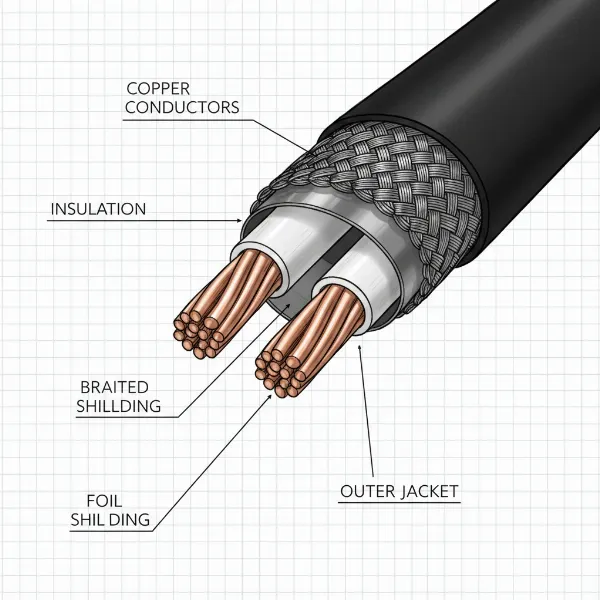 An illustration of various internal components of a high-quality audio cable, showing conductors, shielding, and insulation layers.
When Do Cables Truly Make a Difference?
While the impact of cables can be subtle, there are specific scenarios where their quality becomes more pronounced:
- Poor Quality Stock Cables: Many entry-level headphones and audio devices come with basic cables that prioritize cost-effectiveness over performance. These may suffer from low strand count, inadequate shielding, or resistance mismatches, which can audibly degrade the sound. Upgrading from such a cable can yield a noticeable improvement in clarity and signal integrity.
- Longer Cable Runs: The longer an audio cable, the greater the potential for signal degradation, interference pickup, and increased resistance and capacitance. In professional studio setups or complex home audio systems with extensive cable runs, higher-quality, well-shielded cables become essential to maintain signal fidelity.
- High-End, Revealing Systems: With highly resolving audio components—premium headphones, sensitive amplifiers, or high-fidelity speakers—your system becomes more adept at revealing subtle nuances. In such setups, differences in cable characteristics, particularly in terms of noise rejection and precise signal transmission, might become more apparent.
- Sensitive IEMs: In-ear monitors (IEMs) are often very sensitive to electrical resistance. Cables with slightly different resistance values can alter the frequency response, especially in multi-driver IEMs, leading to perceptible changes in sound signature. Microphonics are also a major concern for IEM users.
- Balanced Cables: While not inherently “better” in sound quality for all setups, balanced cables (using XLR or 4.4mm/2.5mm balanced connectors) are designed to reject noise more effectively. They achieve this by transmitting the audio signal through two conductors with opposite polarity, effectively canceling out common-mode noise picked up along the cable path. This results in a cleaner signal, especially in environments prone to electromagnetic interference.
> “A good cable doesn’t add anything to the sound. Its job is much more difficult: to take away as little as possible from it on the way from one component to another and to protect it from all the interference that lurks in its path.” – An Expert, Audio Engineering Consultant
Beyond Sound: Other Reasons to Upgrade Your Cables
Even if you remain skeptical about drastic sonic improvements from cables, there are many practical and aesthetic reasons to consider an upgrade:
- Durability and Longevity: Stock cables can often be flimsy and prone to wear and tear. Upgrade cables typically feature more robust insulation, strain relief, and high-quality connectors, extending their lifespan and making them more resilient to daily use.
- Ergonomics and Flexibility: A well-designed cable can significantly improve the user experience. Some cables are lighter, more flexible, and less prone to tangling, enhancing comfort, especially for portable headphones and IEMs.
- Aesthetics and Customization: Many audiophiles appreciate the visual appeal of premium cables. A wide array of colors, braiding patterns, and connector finishes allows for personalization, making your audio setup truly your own.
- Reliability: For professional musicians, studio engineers, or serious audiophiles, cable failure during a critical listening session or performance is unacceptable. High-quality cables offer peace of mind with their superior construction and consistent performance.
Choosing the Right Cable for Your Setup (Buying Guide)
Navigating the vast market of audio cables can be daunting. Here’s a practical guide to help you choose wisely:
1. Assess Your Current Setup
Before anything else, consider your existing audio gear. Are you using entry-level headphones with a noticeable hum or crackle? Or do you own high-end equipment where you’re seeking to fine-tune every last detail? The potential impact of a cable upgrade is highly dependent on the quality of your source, amplifier, and transducers.
2. Identify Your Needs
What problem are you trying to solve? Do you need a more durable cable for on-the-go use? Are you looking for a more flexible cable for comfort? Are you experiencing audible noise or interference? Or is it purely for aesthetic customization? Your primary motivation will dictate your search.
3. Set a Realistic Budget
The price range for audio cables is enormous, from a few dollars to thousands. Understand that there are diminishing returns. A moderately priced, well-constructed cable often offers significant benefits over a cheap stock cable, but spending exorbitant amounts rarely translates to proportional sonic improvements for most listeners. Prioritize your headphones and amplifier before heavily investing in cables.
4. Prioritize Build Quality and Shielding
For most practical purposes, a cable’s physical build quality, robust connectors, and effective shielding against interference are far more impactful than exotic conductor materials for everyday listening. Look for cables that feel solid, have good strain relief, and are clearly designed for durability.
5. Consider Reputable Brands
While avoiding “snake oil” is important, reputable audio cable manufacturers often invest in research and quality control, ensuring their products meet specific performance standards. They typically offer transparent specifications and stand by their products.
6. Read Reviews (with a Critical Eye)
When reading reviews, pay close attention to comments about durability, ergonomics, and the absence of noise. Be more skeptical of claims of “night and day” sonic transformations, especially if they aren’t backed by controlled listening tests. Look for consistent feedback across multiple sources.
7. Try Headphone Cables Directly (If Possible)
If you have the opportunity, a direct A/B comparison of cables in your own setup is the most conclusive way to determine if you perceive a difference. Ideally, this would involve level-matched, blind testing to minimize psychological bias.
8. Purchase from Trusted Retailers
Buy your cables from reputable stores that offer clear return policies. This allows you to test the cable in your own environment and return it if it doesn’t meet your expectations.
Conclusion
The debate surrounding audio cables often feels like a philosophical battle between objective science and subjective experience. The truth, as is often the case, lies in a balanced perspective. While “magical” sonic transformations are largely marketing hype, good quality cables play a critical role in preserving the integrity of your audio signal. They prevent degradation, reject interference, and ensure a reliable, enjoyable listening experience. Beyond pure sonics, upgrading your cables can offer significant improvements in durability, comfort, and aesthetics, making your daily interactions with your headphones far more pleasant. Ultimately, the question isn’t whether cables matter at all, but how and to what extent they matter for your unique audio journey.
So, when you consider your next audio purchase, will you prioritize the foundational components or explore the subtle refinements a quality cable can bring?
Frequently Asked Questions
Do expensive audio cables really sound better?
For most listeners and typical audio setups, the sonic differences between moderately priced, well-constructed cables and extremely expensive “audiophile” cables are often minimal to imperceptible. While basic cables can introduce issues, ultra-premium cables rarely offer proportional improvements in sound quality that justify their high cost. Focus on good build quality and effective shielding rather than exorbitant pricing.
What is “microphonics” in cables?
Microphonics refers to the unwanted noise produced when a cable is physically disturbed, such as by rubbing against clothing or tapping. This mechanical vibration is converted into an electrical signal, which can be heard as a rustling, thumping, or scraping sound through your headphones or speakers. It’s particularly common and annoying in lightweight in-ear monitor (IEM) cables.
Is there a difference between balanced and unbalanced headphone cables?
Yes, balanced and unbalanced cables differ in their wiring and noise rejection capabilities. Unbalanced cables use two conductors (signal and ground) and are more susceptible to noise pickup over longer runs. Balanced cables use three conductors (two signal wires with opposite polarity, and a ground), which allows the receiving equipment to cancel out any noise picked up equally by both signal wires, resulting in a cleaner signal, especially in electrically noisy environments. This doesn’t inherently change the “sound quality” but reduces interference.