Alright, let’s talk tech specs. You’re browsing for a new pair of cans, you find a model that looks amazing, and you dive into the details. You see things like ‘Driver Size,’ ‘Frequency Response,’ and then you hit a weird one: ‘Impedance: 32 Ω’. You’ve probably wondered What Is Impedance In Headphones and, more importantly, if it’s something you actually need to worry about. Is a higher number better? Is a lower one worse? It feels like one of those confusing audiophile terms designed to make things complicated.
Well, as the chief editor here at Headphones Me, I’m here to tell you it’s much simpler than it sounds. And yes, it absolutely can matter—a lot. Understanding impedance is the key to unlocking your headphones’ true potential and ensuring you don’t waste money on gear that sounds weak or lifeless. Stick with me, and we’ll untangle this once and for all. No confusing jargon, I promise.
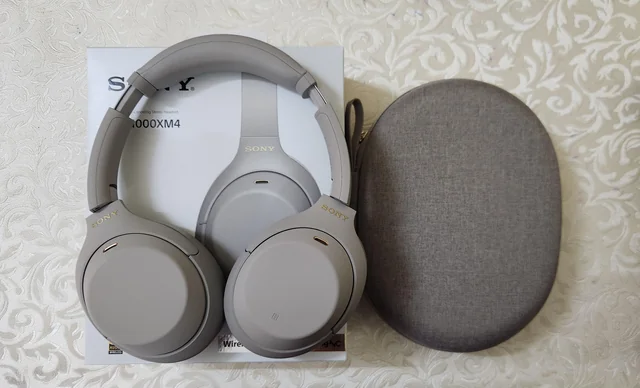
What Is Impedance in Headphones, Technically Speaking?
In the simplest terms, impedance is a measure of electrical resistance. It tells you how much the headphones “push back” against the audio signal coming from your device (like your smartphone or amplifier). This is measured in units called Ohms, symbolized by the Greek letter Omega: Ω.
Think of it like a garden hose.
- The water pressure from the spigot is your amplifier (the power source).
- The water flowing through the hose is the audio signal.
- The width of the hose is the impedance.
A very wide hose (low impedance) lets water flow through easily, even with low pressure. A very narrow hose (high impedance) requires a lot of pressure to get the same amount of water to flow through.
It’s the exact same principle with headphones. Low-impedance headphones don’t need much power to get loud, while high-impedance headphones require a lot more power to reach the same volume and sound their best.
So, Why Does Headphone Impedance Matter?
This is where the rubber meets the road. The impedance of your headphones determines how well they will work with your audio source. Mismatching them is like trying to run a race car on regular gasoline—it’ll move, but you won’t get the performance you paid for. We generally group headphones into two main categories.
Low-Impedance Headphones (Typically < 50 Ohms)
These are the most common type of headphones on the market today. Think about your everyday earbuds, most true wireless models like the AirPods Pro, and popular noise-cancelling headphones from Sony or Bose. They are designed for one primary purpose: convenience.
- Best For: Smartphones, laptops, tablets, portable music players, and gaming console controllers.
- The Upside: They are incredibly easy to “drive.” This means they can get plenty loud and sound perfectly fine plugged directly into your phone without any extra gear. The low resistance allows the weak built-in amplifiers in these devices to deliver a strong signal without struggling.
- The Downside: Because they are so sensitive, they can sometimes pick up on background hiss or electrical noise from poorly designed audio outputs.
If your listening is mostly done on the go, directly from your pocket or backpack, low-impedance headphones are your best friends. They offer fantastic audio quality and comfort without the need for a bulky setup.
High-Impedance Headphones (Typically > 50 Ohms, often 250-600 Ohms)
This is where we venture into the world of audiophiles, studio producers, and serious at-home listeners. Models like the Beyerdynamic DT 990 Pro (250 Ohms) or the Sennheiser HD 600 (300 Ohms) are legendary in these circles.
Bảng trống.- Best For: Dedicated headphone amplifiers, high-end audio interfaces, and stereo receivers.
- The Upside: The design required for high impedance often allows for a more robust and finer voice coil, which can lead to more controlled, detailed, and accurate sound, particularly in the bass and treble. They are also less susceptible to changes in output impedance from the source, leading to a more consistent sound.
- The Downside: They are power-hungry. If you plug a 250-Ohm pair of headphones into your iPhone, you’ll likely have to crank the volume to the max just to get a decent listening level. The sound will often be thin, anemic, and lacking any bass punch. They require a dedicated headphone amplifier to properly power them.
As our contributing audio engineer, Johnathan Carter, puts it, “Using high-impedance headphones without an amp is like buying a Ferrari and never taking it out of first gear. You’re simply not giving it the fuel it needs to perform.”
The Great Myth: Is Higher Impedance Always Better?
Absolutely not. This is one of the biggest misconceptions in the audio world. Impedance is not a measure of quality. It’s a design specification that dictates what equipment the headphones are designed to be used with.
I’ve tested 32-Ohm planar magnetic headphones that deliver mind-blowing detail and clarity that rivals some 300-Ohm dynamic driver sets. Technology has evolved. Factors like driver sensitivity (how efficiently a headphone converts power into sound), driver type, and the overall tuning of the headphone play a much larger role in the final audio quality you experience.
The key takeaway is to focus on synergy. The goal is to match your headphones to your source for the best possible sound.
What Happens If I Mismatch My Gear?
Let’s run through two common scenarios I see all the time.
- Plugging High-Impedance Cans into a Weak Source (Your Phone):
You just bought a pair of 250-Ohm studio headphones because you heard they were amazing. You plug them into your laptop. The result? The volume is disappointingly low, the bass is non-existent, and the whole sound is flat and lifeless. The headphone isn’t broken; your laptop’s built-in amp is simply not strong enough to move the drivers properly. - Plugging Sensitive, Low-Impedance Earbuds into a Powerful Amp:
This is less of a problem, but still something to be aware of. The headphones will get very loud very quickly, so you have to be careful with the volume knob to protect your hearing and your gear. In some cases, you might also hear a faint “hiss” or “hum” from the amplifier’s noise floor, which is more audible on highly sensitive headphones.
How Do I Know What I Need? A Quick Checklist
Feeling a bit clearer? To help you choose, just ask yourself these simple questions:
- What will be my primary listening device? If the answer is “my smartphone” or “my laptop” 99% of the time, stick with low-impedance headphones (under 50 Ohms).
- Am I listening at a desk or on the go? High-impedance headphones are almost exclusively for at-home or in-studio use, where you can connect to a proper amplifier. For your commute, the gym, or travel, low impedance is the only practical choice.
- Am I willing to buy extra equipment? If the idea of a “headphone amp” sounds exciting and you’re ready to invest in your audio chain, then exploring the world of high-impedance headphones can be incredibly rewarding. If not, don’t worry—there are countless amazing low-impedance options.
Frequently Asked Questions About Headphone Impedance
Is 32 ohms good for headphones?
Yes, 32 ohms is a very common and excellent impedance rating for general-purpose headphones. It’s low enough to be easily powered by virtually any device, including smartphones, laptops, and gaming consoles, while providing great sound quality.
Do I need an amp for 80-ohm headphones?
It depends. 80 ohms is in a bit of a gray area. Most modern smartphones and laptops can power them to acceptable, but not ideal, levels. To get the best bass response, dynamics, and overall performance out of 80-ohm headphones, a small portable or desktop amplifier is highly recommended.
Does Bluetooth affect headphone impedance?
Not for the user. While the internal drivers of Bluetooth headphones still have an impedance rating, it’s irrelevant to you. The headphones have a built-in amplifier and DAC (Digital-to-Analog Converter) that are perfectly matched to the drivers. You never have to worry about impedance with any wireless headphones.
What is the difference between impedance and sensitivity?
Impedance is how much the headphone resists the signal, while sensitivity measures how efficiently it turns that signal into sound (measured in dB). A high-sensitivity headphone will be loud even with little power, regardless of its impedance. Both specs work together to determine how loud a headphone will be from a given source.
Can using the wrong impedance damage my headphones?
It’s very unlikely. Plugging high-impedance headphones into a weak source won’t cause any damage; they’ll just sound bad. Plugging very low-impedance headphones into a powerful amp could theoretically be damaged if you blast the volume to extreme levels for a prolonged period, but in normal use, it’s not a concern.
The Bottom Line: Impedance is About Synergy, Not Status
So, what is impedance in headphones? It’s not a score for how “good” a headphone is. It’s simply a guide to help you match your headphones with the right gear. Don’t chase high numbers for the sake of it. Instead, be honest about how and where you’ll be listening.
For the vast majority of people, a great pair of low-impedance headphones will provide a fantastic listening experience straight out of your phone. For the budding audiophile ready to build a dedicated setup, exploring high-impedance headphones and the amplifiers that power them is a rewarding journey into high-fidelity sound.
Now that you’re armed with this knowledge, you can read those spec sheets with confidence and make a smarter choice. To see how this applies to real-world products, check out our guide to the [Best Noise-Cancelling Headphones of the Year], where we break down which models work best for every situation.