Hey everyone, Alex here from Headphones Me. One of the most common questions we get, away from the spec sheets and frequency response charts, is a really practical one: Can You Wear Headphones While Sleeping? It’s a fair question. Maybe you’re trying to drown out a snoring partner, find solace from noisy city streets, or drift off to a favorite podcast or calming soundscape.
Whatever your reason, the idea of creating a personal sound bubble for eight hours is tempting. But is it safe? And what kind of headphones are even up for the job? As someone who has tested hundreds of pairs in just about every situation imaginable—from noisy subways to long-haul flights—I’ve spent a lot of time thinking about the intersection of audio and our daily lives, including sleep. Let’s dive deep into this and figure out the do’s, don’ts, and the absolute best practices for listening while you snooze.
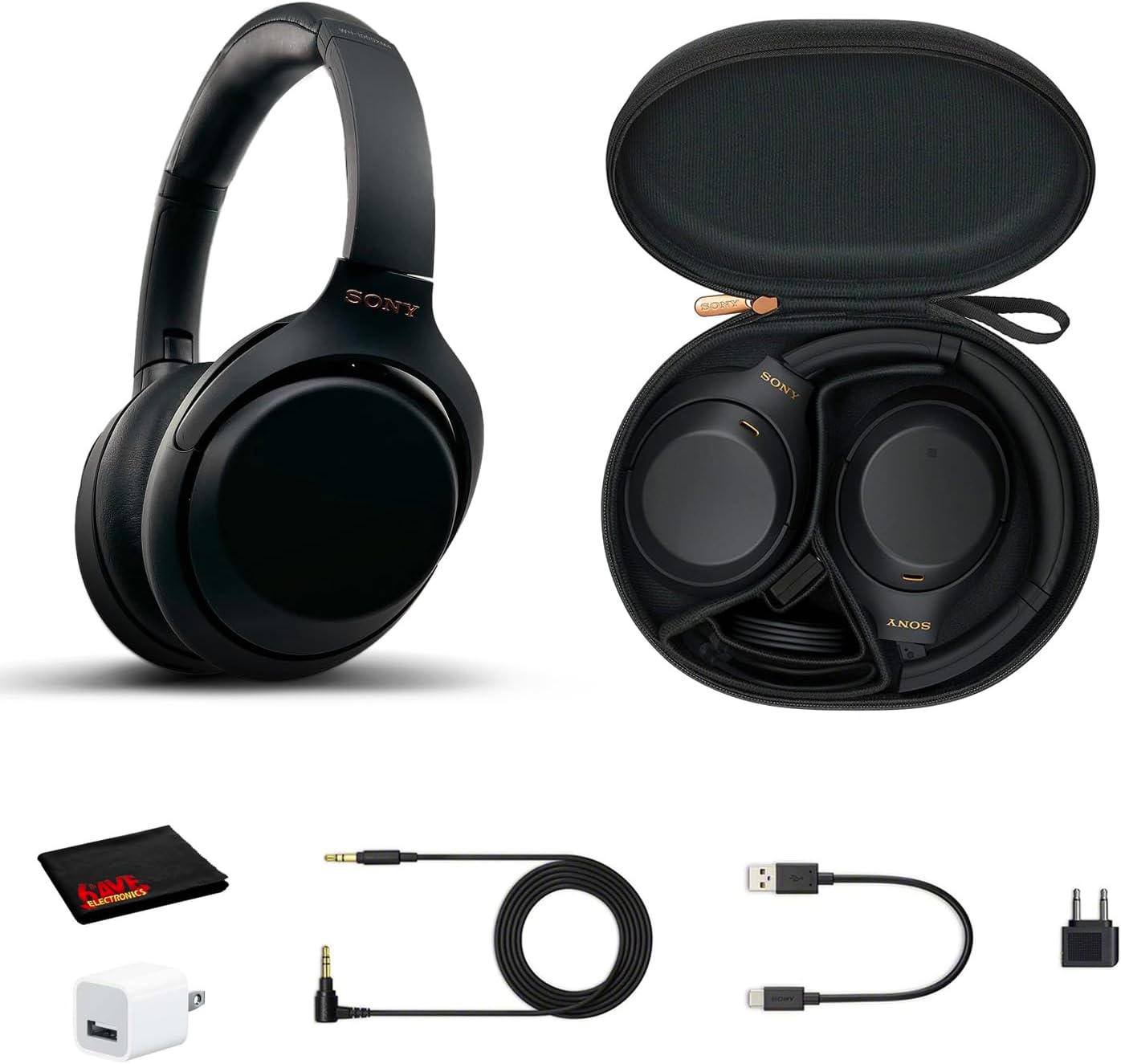
The Big Question: Is It Safe to Wear Headphones While Sleeping?
Let’s get this out of the way first. The short answer is: it can be, but you have to be smart about it. Wearing headphones to bed isn’t inherently dangerous, but it comes with a list of potential risks that you absolutely need to be aware of. It’s a trade-off between the benefit of blocking out unwanted noise and the potential harm to your ears and your safety.
Think of it like this: a sharp kitchen knife is an essential tool, but you wouldn’t run with it. Similarly, headphones can be a great tool for sleep, but using them improperly can cause problems. The key is to understand the risks and choose the right gear for the job.
The Potential Health and Safety Risks You Need to Know
Before you even think about which headphones to buy, it’s crucial to understand what can go wrong. I don’t want to scare you, but being informed is the first step to making a safe choice.
Ear Health: Wax Buildup and Infections
Your ears are pretty good at self-cleaning. They produce wax (cerumen) which traps dust and debris and then gradually works its way out. When you plug your ear canal for eight hours with an earbud, you’re essentially putting up a roadblock.
This can cause a few issues:
- Wax Impaction: The earbuds can push existing wax deeper into the ear canal, leading to blockages that can cause temporary hearing loss or a feeling of fullness.
- Trapped Moisture: Your ear canal needs to breathe. Sealing it off all night traps moisture and warmth, creating a perfect breeding ground for bacteria. This can lead to painful outer ear infections, clinically known as otitis externa. It’s basically the same thing that swimmers sometimes get, which is why it’s often called “Swimmer’s Ear.”
As audiologist Dr. Sarah Mitchell often says, “The ear canal is a delicate ecosystem. Consistently blocking it overnight can disrupt its natural processes, increasing the risk of both infection and impaction.”
Physical Dangers: Strangulation and Pressure Sores
This is a major one, especially if you’re still rocking wired headphones. If you toss and turn in your sleep—and most of us do—a headphone cord can easily become wrapped around your neck. It’s a frightening thought, but it’s a real and preventable risk. For this reason, I strongly advise against ever using wired headphones or earbuds for sleeping.
Even with wireless buds, there’s the issue of pressure. Hard plastic pressing against your ear cartilage for hours on end, especially if you’re a side sleeper, can be incredibly uncomfortable. In rare, extreme cases of prolonged pressure, it can even restrict blood flow and lead to a condition called necrosis, where the skin tissue begins to die. It’s not common, but it highlights why a comfortable, low-profile design is non-negotiable for sleep.
Missing Critical Sounds
The very thing that makes headphones great for sleep—blocking out the world—is also a potential safety hazard. With a good pair of noise-cancelling headphones on, you might not hear a fire alarm, a smoke detector, a baby crying in the other room, or someone breaking into your house. It’s vital to consider your environment and whether you can afford to be completely cut off from it.
What About Volume Levels and Long-Term Hearing Damage?
So, can you wear headphones while sleeping without damaging your hearing? Yes, but volume is everything. Audiologists generally reference the 80-90-120 rule: being mindful of listening to audio over 80 decibels (dB), not listening for more than 90 minutes a day at that level, and keeping the volume under 120 dB at all times. The problem is, you’re sleeping for 6-8 hours, a much longer duration.
Even a seemingly low volume can cause damage over a prolonged period. The goal isn’t to blast your music; it’s to introduce a sound that’s just loud enough to mask the external noise.
My personal rule of thumb: set the volume to the lowest possible level where you can still comfortably hear your audio. If you’re listening to white noise or ambient sounds, it should just be a background hum, not the main event. Playing audio too loudly all night is a fast track to developing noise-induced hearing loss or aggravating conditions like tinnitus (a persistent ringing in the ears).
Bảng trống.The Best Types of Headphones for Sleeping
If you’ve weighed the risks and decided to move forward, choosing the right product is essential. Your everyday gym earbuds or high-fidelity over-ear cans are likely not the right choice.
Comfort is King, Especially for Side Sleepers
This is the most important factor. If it’s not comfortable, you won’t be able to fall asleep, let alone stay asleep.
- Over-Ear Headphones: Generally a poor choice. They’re bulky, press on your head, and are impossible for side sleepers.
- In-Ear Headphones (Earbuds): Can work, but many models protrude too far from the ear, creating a painful pressure point when you lie on your side. Look for models with a very small, low-profile design.
- Sleep-Specific Headphones: This is where the innovation is. These are products designed specifically for this use case. They often come in two styles:
- Headband Headphones: These feature flat speaker drivers embedded in a soft, stretchy fabric headband. You wear it like a headband or pull it down over your eyes like a sleep mask. They’re fantastic for side sleepers as there are no hard components digging into your ears.
- Soft Silicone Sleep Buds: These are tiny, wireless earbuds made from soft, pliable silicone. They’re designed to sit flush with your ear, minimizing pressure. Some are designed purely for sleep and only play pre-loaded sounds, while others can stream audio via Bluetooth.
Why Wireless is the Only Safe Option
I’ll say it again: never sleep with wired headphones. The risk of strangulation is too high. Bluetooth technology is your friend here. Modern Bluetooth codecs offer stable connections, and you don’t have to worry about a cord. Just make sure the battery life can handle a full night.
Battery Life: Will It Last Until Morning?
Imagine your calming rain sounds cutting out at 3 AM, jolting you awake. It’s not ideal. When shopping for wireless sleep headphones, look for a pair with at least 8-10 hours of rated battery life on a single charge. This ensures they’ll last through the night without any rude awakenings.
Frequently Asked Questions
Here are some of the most common questions I get about this topic.
Can you wear noise-cancelling headphones while sleeping?
You can, but be cautious. Active Noise Cancellation (ANC) is excellent at blocking low-frequency, consistent sounds like an air conditioner or traffic hum. However, it can make you less aware of important alerts like alarms. Also, some people experience a slight feeling of pressure from ANC, which might be uncomfortable over a long night.
Is it bad to sleep with AirPods in?
While many people do it, AirPods aren’t ideal for sleep. They are made of hard plastic and can become very uncomfortable for side sleepers, creating pressure points. There’s also a high chance they will fall out during the night, and their battery life might not last a full eight hours, especially on older models.
What are the most comfortable headphones for side sleepers?
Headband-style headphones are almost always the best choice for side sleepers. Products from brands like SleepPhones or Perytong embed flat speakers into a soft band, eliminating all pressure points. If you prefer an in-ear style, look for ultra-small, soft silicone sleep buds.
Can wearing headphones to sleep cause tinnitus?
It’s not the act of wearing headphones that causes tinnitus, but the exposure to loud noise. If you listen to audio at too high a volume for hours every night, you significantly increase your risk of developing noise-induced hearing loss and tinnitus. Always keep the volume as low as possible.
How can I listen to audio safely while I sleep?
To summarize, follow these three rules: 1) Always use wireless headphones to avoid cord hazards. 2) Choose a model designed for comfort, like a sleep headband. 3) Keep the volume at the lowest possible level that still provides the masking effect you need.
The Final Verdict
So, after all that, can you wear headphones while sleeping? Yes, you absolutely can, and for some people, it’s a game-changer for getting a good night’s rest. But it’s not as simple as just grabbing any old pair of earbuds and dozing off.
Your priorities must be safety and comfort. Ditch the wires, choose a low-profile design that works for your sleeping position (especially if you’re a side sleeper), and be incredibly mindful of your volume levels. By making smart choices, you can safely create your own personal oasis of quiet and drift off to sleep peacefully, night after night.