Stepping into a world of profound quiet, free from the hum of daily life, is the promise of active noise cancellation (ANC) headphones. This remarkable technology has transformed how many of us experience sound, allowing for focused work, immersive entertainment, and peaceful travel. Yet, for some users, this serene silence comes with an unexpected companion: unsettling sensations like dizziness, ear pressure, and even nausea. If you’ve ever felt a peculiar “off” feeling after donning your ANC headphones, you’re not alone. This article dives deep into the common side effects of active noise cancellation, exploring the science behind these sensations, why some individuals are more susceptible, and practical ways to mitigate discomfort to help you enjoy your headphones more fully.
The Science Behind the Silence: How Active Noise Cancellation Works
Active Noise Cancellation is a marvel of modern audio engineering, designed to reduce unwanted ambient sounds. Unlike passive noise isolation, which physically blocks sound with materials like foam, ANC actively eliminates noise through an ingenious electronic process. Tiny microphones embedded in the headphones detect incoming low-frequency environmental sounds, such as the drone of an airplane engine, the rumble of a bus, or the consistent hum of an air conditioner.
An internal processor then instantly analyzes these sound waves and generates a precisely inverted sound wave, often referred to as “anti-noise.” When this anti-noise meets the original sound wave, they effectively cancel each other out through a phenomenon called destructive interference. The result is a dramatically quieter listening environment, allowing you to focus on your audio or simply enjoy the tranquility. This technology is particularly effective against constant, low-frequency noises, making it a favorite for commuters and office workers alike.
Common Active Noise Cancellation Side Effects
While the benefits of ANC are clear, the sophisticated manipulation of sound waves can lead to several noticeable, albeit usually temporary, side effects for some individuals. These sensations are often linked to how our auditory and vestibular systems—the parts of our inner ear responsible for hearing and balance—interact with this altered soundscape.
Dizziness and Disorientation
One of the most frequently reported side effects is a feeling of dizziness, lightheadedness, or general disorientation. This sensation arises because the inner ear’s vestibular system plays a crucial role in maintaining balance and spatial orientation. When ANC technology effectively removes low-frequency sounds that our brain is accustomed to processing, it can create a sensory mismatch. Your eyes might see a noisy environment, but your ears perceive an unusual silence, leading to a confusing signal for your brain. This contradiction can trigger mild vertigo or a feeling similar to motion sickness. Some experts suggest that the very low-frequency vibrations that still transmit even when sound waves are cancelled can stimulate balance receptors, falsely signaling head movement when the body is stationary, further contributing to dizziness.
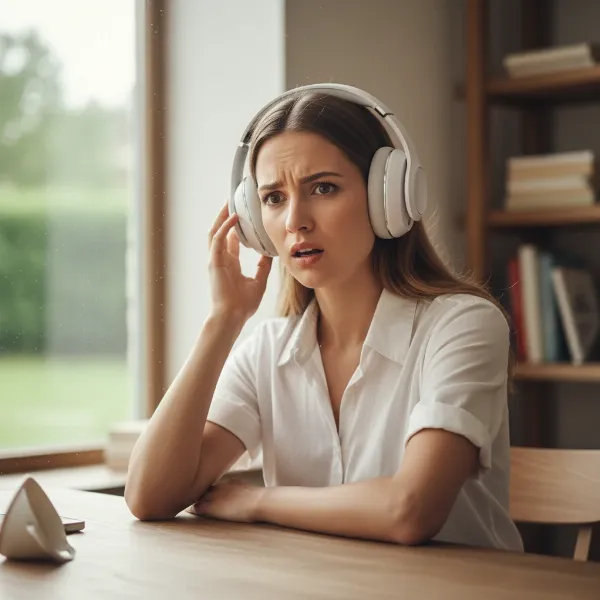 Woman feeling dizzy, disoriented, or experiencing vertigo while wearing active noise-canceling headphones.
The Sensation of Ear Pressure or “Eardrum Suck”
Many ANC headphone users describe a distinct feeling of pressure in their ears, often akin to being at a high altitude, diving underwater, or riding in a fast elevator. This phenomenon is commonly referred to as “eardrum suck.” While ANC headphones do not physically alter the air pressure in your ear canal, the absence of low-frequency ambient sound creates an acoustic environment that your brain interprets as a change in pressure. Your eardrums react as if there has been a shift in altitude, even when you are perfectly still. This perceived pressure is rooted in how our inner ear processes the sudden lack of expected ambient noise and the subtle air pressure dynamics manipulated by the opposing sound waves within the sealed earcups. The tight seal necessary for effective noise cancellation can also contribute to this feeling of fullness or vacuum-like sensation.
Nausea and Headaches
Closely linked to dizziness, some users report experiencing nausea after using ANC headphones. This is often a secondary symptom stemming from the disorientation or vestibular disturbance. Additionally, mild headaches and general fatigue can also occur. Researchers suggest that the alteration of brain wave patterns when constant ambient sound suddenly disappears might contribute to these headaches. The continuous, perceived pressure within the ears from the ANC process can also be a source of discomfort, potentially leading to tension headaches for sensitive individuals.
Other Mild Discomforts
Beyond dizziness and pressure, other subtle discomforts may include a feeling of ear fullness, a sensation that the ears need to “pop” (which often doesn’t resolve with typical swallowing or yawning), or even a temporary ringing similar to tinnitus. While generally harmless and transient, these sensations highlight the sophisticated and sometimes unpredictable interaction between advanced audio technology and individual physiology.
Why Some Users Are More Sensitive
Not everyone experiences side effects from active noise cancellation, and the intensity can vary significantly among individuals. This disparity often comes down to a combination of physiological factors and personal sensitivities.
Individuals with pre-existing conditions affecting the inner ear or balance system are frequently more susceptible to ANC-induced discomfort. Those prone to motion sickness, for example, may find that the sensory confusion caused by ANC exacerbates their sensitivity, leading to more pronounced dizziness or nausea. Conditions such as Meniere’s disease, chronic sinus issues, or Eustachian tube dysfunction can also heighten one’s sensitivity, as these conditions impact the ear’s ability to equalize pressure or process auditory input normally.
Beyond specific medical conditions, individual physiological responses play a significant role. Some brains are simply more sensitive to the manipulation of auditory frequencies or the sudden absence of ambient noise. New users often report stronger sensations initially, a phenomenon that tends to lessen over time as their bodies adapt to the unique sound environment created by ANC. In fact, studies suggest that while a significant portion of first-time users experience ear pressure, a large majority find relief within a couple of weeks as they adjust. The context of use also matters; wearing ANC headphones on an airplane, where actual air pressure changes are occurring, might intensify the perceived pressure or disorientation for some.
Mitigating Active Noise Cancellation Side Effects
Experiencing discomfort doesn’t necessarily mean you have to abandon your ANC headphones entirely. Several strategies can help reduce or even eliminate these side effects, allowing you to enjoy the benefits of quiet listening.
Take Regular Breaks
One of the most effective ways to mitigate discomfort is to give your ears periodic breaks. A popular guideline for general headphone use, the “60/60 rule” – listening at no more than 60% of maximum volume for no more than 60 minutes – also applies here. Even short breaks, just a few minutes every hour, can significantly reduce ear fatigue and help your auditory system recalibrate to ambient sounds. This practice can prevent the buildup of perceived pressure and give your vestibular system a chance to normalize.
Adjust ANC Levels
Many modern ANC headphones offer adjustable noise cancellation levels, allowing you to fine-tune the intensity of the effect. If you’re experiencing dizziness or pressure, try reducing the ANC strength. Some models even feature “transparency” or “ambient sound” modes that allow a certain amount of external noise to pass through, which can help alleviate the feeling of sensory deprivation and maintain a connection to your surroundings. Gradually increasing the ANC level as you adapt can also be a useful approach.
Ensure Proper Fit
The fit of your headphones is crucial for both effective noise cancellation and comfort. For over-ear headphones, ensure the earcups fully cover your ears and create a good seal without applying excessive clamping force that can cause physical discomfort. For in-ear earbuds, experiment with different ear tip sizes to find the best seal for your ear canal. A proper seal enhances passive noise isolation, which in turn can make the active cancellation more efficient and potentially reduce the need for maximum ANC intensity, lessening perceived pressure.
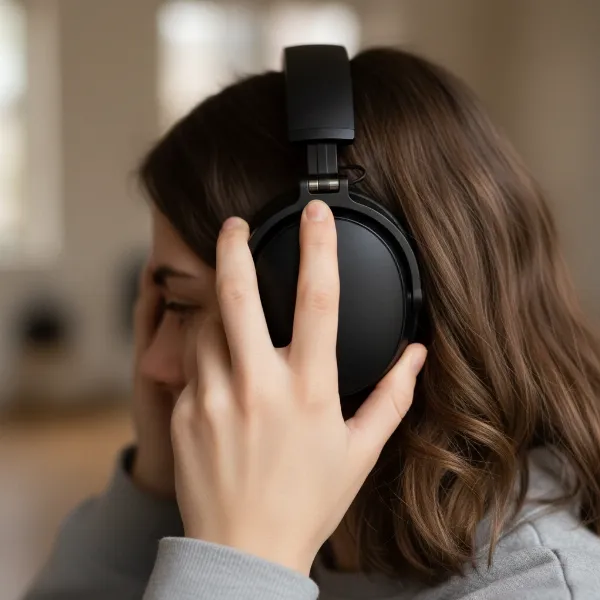 Person adjusting over-ear active noise-canceling headphones for optimal fit and comfort.
Gradual Adaptation
If you are a new ANC user and experience mild discomfort, consider a gradual adaptation period. Start by using your headphones with ANC enabled for shorter durations, perhaps 30 minutes to an hour, and then take a break. Over several days or weeks, gradually increase the wearing time. For many, the brain and inner ear can adapt to the altered auditory environment, and the initial sensations of dizziness or pressure will diminish. Consistency in this gradual approach can often lead to greater comfort.
Consider Alternatives
If, despite trying various mitigation strategies, you consistently experience severe or debilitating side effects, ANC headphones might simply not be suitable for your physiology. In such cases, exploring alternative noise management solutions is advisable. Passive noise-isolating headphones or earbuds, which rely on physical design and materials to block sound, can offer significant noise reduction without the electronic manipulation of sound waves. High-quality earplugs or even using white noise played through standard headphones can also be effective methods for creating a quieter environment without the potential for ANC-related discomfort.
When to Be Concerned: Are ANC Headphones Safe?
A common question among users experiencing side effects is whether active noise cancellation headphones are harmful or can cause long-term damage. Generally, when used responsibly, ANC headphones are considered safe for most people. There is currently no scientific evidence to suggest that the technology itself causes hearing damage. In fact, by effectively reducing ambient noise, ANC headphones can paradoxically be beneficial for hearing health, as they allow users to listen to music or audio at lower volumes in noisy environments, thereby reducing the risk of noise-induced hearing loss.
The primary risk to hearing health from any headphones, ANC or otherwise, remains listening at excessively high volumes for prolonged periods. However, it’s important to distinguish between minor, transient discomfort and more severe or persistent symptoms. If you experience intense or lasting dizziness, severe nausea, acute ear pain, or any concerning changes in your hearing or balance while using ANC headphones, it is crucial to discontinue use and consult with an audiologist or medical professional. Individuals with specific inner ear conditions should exercise caution and discuss usage with their doctor.
“While the sensations like dizziness and pressure can be unsettling, they are typically benign and temporary for most users. The key is to listen to your body and adjust your usage accordingly.” – Dr. Elena Petrova, Audiology Specialist
Choosing ANC Headphones Wisely: A Buyer’s Perspective
Given the potential for individual sensitivity, a thoughtful approach to selecting ANC headphones can make a significant difference in your overall experience. As an informed consumer, consider these factors before making a purchase.
First, if possible, try before you buy. Many electronics stores have demo units available. Take the opportunity to wear the headphones with ANC activated for several minutes. Pay close attention to how your ears and balance system react. Does it feel like a subtle, comfortable silence, or do you immediately notice a strong pressure or sense of disorientation?
Second, look for models that offer adjustable ANC levels. This feature is becoming more common and allows you to customize the intensity of noise cancellation. If you find maximum ANC too overwhelming, you can dial it back to a more comfortable setting. Some headphones even include personalized optimization features that tailor the ANC profile to your unique ear shape and fit.
Third, prioritize comfort and fit. While a good seal is essential for ANC performance, the headphones should not feel excessively tight or uncomfortable. Earcups made from soft, breathable materials and a well-padded, adjustable headband can greatly enhance comfort during extended listening sessions, reducing physical discomfort that might be compounded by the ANC sensation.
Finally, read reviews carefully, specifically looking for mentions of side effects like dizziness, ear pressure, or nausea. While individual experiences vary, a pattern of such complaints for a particular model might indicate a more aggressive ANC implementation that could be problematic for sensitive users. By being mindful of these considerations, you can increase your chances of finding ANC headphones that deliver superb noise reduction without the unwanted side effects.
Conclusion
Active Noise Cancellation technology offers an incredible escape from the cacophony of the modern world, providing unparalleled focus and immersion. However, the unique auditory environment created by ANC can trigger unusual sensations like dizziness, perceived ear pressure, and occasional nausea for some users. These effects are typically harmless and stem from the sophisticated interaction between the anti-noise waves and our inner ear’s balance system.
By understanding how ANC works and recognizing your individual sensitivities, you can take proactive steps to mitigate discomfort. Simple practices like taking regular breaks, adjusting ANC levels, ensuring a proper fit, and allowing for gradual adaptation can significantly improve your experience. While ANC headphones are generally safe and can even promote healthier listening habits by enabling lower volumes, always prioritize your comfort and consult a healthcare professional if symptoms are severe or persistent. Are you ready to embrace the quiet, armed with the knowledge to navigate its occasional peculiarities?
Frequently Asked Questions
Can active noise cancellation damage your ears?
No, active noise cancellation technology itself is not known to cause hearing damage. In fact, by reducing ambient noise, ANC headphones often allow users to listen at lower volumes, which can help protect hearing from noise-induced damage over time. The primary risk to hearing health from any headphones is listening at excessively high volumes.
How can I reduce the ear pressure from my ANC headphones?
To reduce ear pressure, try taking regular breaks from wearing your headphones, ensuring a proper and comfortable fit, and adjusting the ANC intensity if your headphones offer customizable levels. Some users find that models with less aggressive ANC implementations or those that allow some ambient sound through (transparency mode) can alleviate the sensation.
Is it normal to feel disoriented with noise-cancelling headphones?
Yes, it is considered normal for some individuals to experience mild disorientation or dizziness with noise-cancelling headphones. This can occur due to the sensory mismatch between visual input and the unusual silence created by ANC, which can subtly affect the inner ear’s balance system. Most people adapt over time, but those prone to motion sickness may be more susceptible.
How long does it take to get used to ANC headphones?
For many users who initially experience discomfort, an adaptation period of up to two weeks is common. During this time, the brain and inner ear gradually adjust to the unique auditory environment created by ANC, and symptoms like dizziness or pressure often lessen or disappear entirely. Starting with shorter usage periods can aid this adaptation.
What’s the difference between active and passive noise cancellation in terms of side effects?
Active noise cancellation (ANC) uses electronic signals to create “anti-noise” to cancel out external sounds, which can lead to sensations like dizziness or ear pressure for some users. Passive noise isolation relies solely on physical barriers (like earcups and padding) to block sound and does not typically cause these specific electronic-induced side effects, though an overly tight fit can still lead to physical discomfort.
Should I stop using ANC headphones if I feel dizzy?
If you experience persistent or severe dizziness, nausea, headaches, or any significant discomfort from your ANC headphones, it is advisable to stop using them immediately. While mild symptoms often resolve with adaptation, severe reactions could indicate a heightened sensitivity or an underlying condition that warrants medical consultation.
Are some ANC headphones better than others for sensitive users?
Yes, the effectiveness and implementation of ANC technology vary between headphone models and brands. Some manufacturers are known for a more aggressive ANC, while others offer a subtler effect or allow for adjustable ANC levels. Sensitive users may find certain models or brands more comfortable, and it’s recommended to try different options if possible or read reviews focusing on user comfort and reported side effects.