For many, the world of audiophile headphones seems reserved for those with unlimited budgets, where price tags extend into the thousands. Yet, the exciting truth is that truly exceptional sound, remarkable comfort, and premium build quality are surprisingly accessible. You don’t need to break the bank to dive into a captivating auditory experience. This comprehensive guide will navigate you through the Best High-End Headphones Under 00, helping you discover a pair that perfectly matches your preferences and elevates your listening journey.
The sub-$1000 headphone market has matured dramatically, offering a sweet spot where cutting-edge technology and refined craftsmanship converge. This price segment delivers noticeable upgrades in detail, soundstage, and overall musicality compared to entry-level audiophile gear, providing a gateway to what many consider true high-fidelity listening.
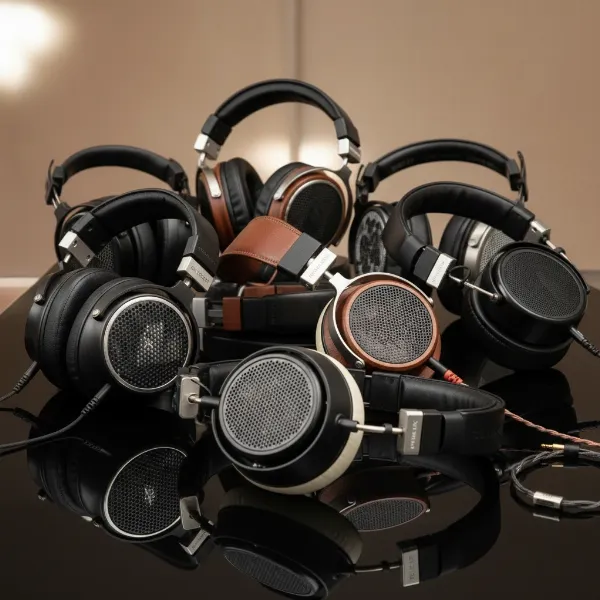 A collection of diverse high-end audiophile headphones under 00, showcasing various designs and styles
Decoding the Different Types of High-End Headphones
Before exploring specific models, understanding the primary types of headphones available in this premium tier is crucial. Each design offers distinct advantages and caters to different listening environments and preferences.
Open-Back Headphones
Open-back headphones are characterized by earcups that are open or vented, allowing air and sound to pass freely in and out. This design choice has a profound impact on the listening experience.
They typically offer a more expansive and natural soundstage, making audio feel like it’s coming from outside your head, akin to listening to speakers in a well-treated room. The openness also promotes better airflow, reducing heat buildup during long sessions. However, their design means sound leaks out, and ambient noise can easily enter, making them less suitable for public or noisy environments. Open-backs are a favorite among audiophiles for critical listening in quiet spaces.
Closed-Back Headphones
Conversely, closed-back headphones feature sealed earcups that fully enclose the ears, preventing sound from escaping and blocking external noise. This design provides superior noise isolation and minimal sound leakage, making them ideal for commuting, office use, or recording studios where sound spill is undesirable.
While closed-back designs often present a more intimate soundstage compared to open-backs, modern advancements have allowed many premium closed-back models to achieve remarkable spaciousness and clarity. They tend to offer a more impactful bass response due to the enclosed environment.
Planar Magnetic Headphones
Planar magnetic technology represents a significant leap in driver design beyond traditional dynamic drivers. Instead of a voice coil moving a cone, planar magnetic headphones use a thin, flat diaphragm embedded with conductors, suspended between an array of magnets.
When an audio signal passes through the conductors, the entire diaphragm moves uniformly, resulting in incredibly fast transient response, low distortion, and exceptionally deep, controlled bass. This technology often translates to superior detail retrieval and a more accurate, linear frequency response. While traditionally heavier and more power-hungry, newer planar magnetic designs have become more efficient and comfortable, offering a compelling alternative to dynamic drivers in the high-end segment.
Wireless ANC Headphones
The integration of advanced wireless connectivity and active noise cancellation (ANC) into high-fidelity headphones has created a new category for those seeking convenience without sacrificing too much sound quality. High-end wireless ANC headphones combine the freedom of Bluetooth with sophisticated digital processing to reduce ambient noise, perfect for travelers and commuters.
While wired connections often still hold an edge in absolute fidelity, premium wireless models like the Focal Bathys leverage high-quality DACs (Digital-to-Analog Converters) and advanced codecs to deliver a surprisingly rich and detailed sound. Battery life, connection stability, and the effectiveness of noise cancellation are key considerations in this category.
Essential Factors for Selecting Your High-End Headphones
Choosing the best high-end headphones isn’t just about picking the most expensive option; it’s about finding the perfect synergy between performance, comfort, and personal preference. Here are the critical factors to consider.
Sound Quality
The cornerstone of any premium headphone is its sound quality, encompassing several key characteristics.
- Sound Signature: This describes the headphone’s overall tonal balance. Are you looking for a neutral sound that reproduces audio exactly as recorded, a warm sound with a more prominent bass and lush mids, or an analytical sound that emphasizes detail and clarity in the treble? Your preferred music genres often dictate the ideal sound signature.
- Frequency Response: This refers to how well the headphone reproduces different frequencies—bass (lows), mids (vocals and instruments), and treble (highs). A balanced frequency response with good extension in both low and high ends ensures a full and accurate sound.
- Soundstage and Imaging: Soundstage describes the perceived spaciousness and three-dimensionality of the sound. Does the music feel like it’s coming from a wide concert hall or an intimate studio? Imaging refers to the precision with which individual instruments and voices are placed within that soundstage, allowing you to pinpoint their locations.
- Detail Retrieval: High-end headphones excel at revealing subtle nuances, textures, and micro-details in your music that often go unnoticed on lesser headphones. This adds depth and realism to your listening experience.
Comfort and Build Quality
Even the most sonically brilliant headphones can be a poor choice if they’re uncomfortable to wear for extended periods.
Consider the materials used in the earcups and headband. Plush velour or high-quality leather pads can greatly enhance comfort and breathability. The weight of the headphones and their clamping force on your head also play a significant role. A well-designed headband distributes weight evenly, preventing pressure points. Furthermore, premium headphones should be built to last, using durable materials like metal and high-grade plastics that can withstand years of use.
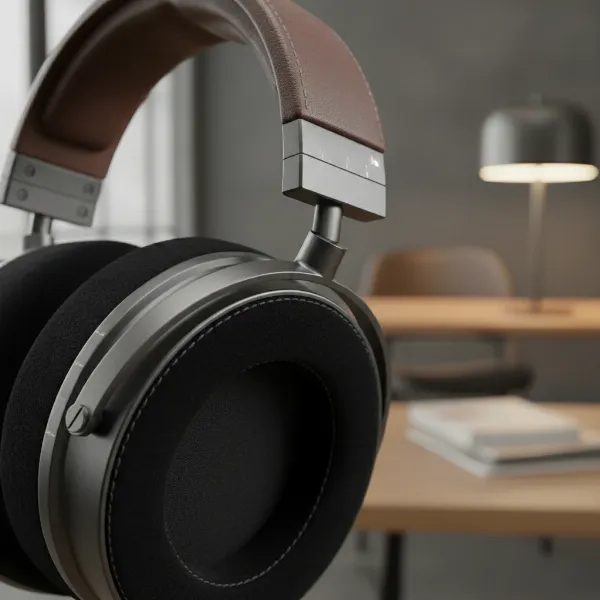 Close-up of a premium headphone earcup and headband, emphasizing comfort and durable materials
Connectivity and Features
Modern headphones offer a range of connectivity options and additional features that can enhance their versatility.
- Wired vs. Wireless: Wired headphones typically offer the purest audio signal, bypassing the need for battery power and Bluetooth codecs. However, wireless headphones provide unmatched freedom of movement. Many high-end wireless models now include USB-DAC modes for a direct digital connection, offering superior sound quality when wired.
- Active Noise Cancellation (ANC): While not every audiophile headphone prioritizes ANC, it’s a critical feature for those who listen in noisy environments or travel frequently. Premium ANC systems effectively block out low-frequency hums without negatively impacting sound quality.
- Microphone and Controls: Integrated microphones are essential for calls, while intuitive on-ear controls for volume, playback, and ANC settings add to the user experience.
- Amplification Requirements: Many high-end headphones, especially planar magnetics or high-impedance dynamic models, benefit significantly from a dedicated headphone amplifier and DAC to reach their full sonic potential. This is an important consideration for your overall budget and setup.
Best High-End Headphones Under $1000: Our Top Picks
The $1000 price point offers an incredible selection of headphones, each with its unique strengths. Here’s a curated list of top performers that consistently receive high praise from audiophiles and experts.
Hifiman Arya Stealth / Arya Organic
The Hifiman Arya series has become a benchmark for planar magnetic performance under $1000. These open-back headphones are renowned for their remarkable soundstage depth and imaging, presenting music with a spaciousness that truly immerses the listener. The Arya Stealth offers a wide, airy presentation with a neutral tuning, making it an excellent choice for critical listening. The Arya Organic, on the other hand, introduces a touch of warmth and enhanced bass for a fuller sound. Both models deliver exceptional resolution, allowing listeners to discern micro-details that elevate the experience. They feature a lightweight design and plush ear pads, ensuring comfort during long sessions, though they often benefit from proper amplification to truly shine.
Audeze LCD-2
Audeze’s LCD-2 (often the Classic variant) is an iconic planar magnetic headphone known for its warm, immersive sound signature. Ideal for bass enthusiasts, it delivers a rich and authoritative bass response complemented by smooth mids and detailed highs, creating an enveloping listening experience with a wide soundstage. The planar magnetic drivers ensure fast transients and minimal distortion, resulting in a refined audio experience. Available with distinctive wood accents, the LCD-2 maintains Audeze’s signature craftsmanship and benefits from proper amplification to unlock its full potential.
Beyerdynamic DT 1770 Pro MK II / DT 1990 Pro MK II
A staple in recording studios, the Beyerdynamic DT series offers highly accurate sound reproduction. The DT 1770 Pro is a closed-back model providing deep, controlled bass and crisp treble extension, making it perfect for professional mixing and detailed listening. The DT 1990 Pro is its open-back counterpart, offering a more analytical and revealing signature. Both MK II versions boast improved resolution and are easier to drive than their predecessors. They excel in dynamic range, delivering a balanced and immersive sound that remains a favorite among audiophiles and audio professionals alike.
Dan Clark Audio AEON 2
The Dan Clark Audio AEON 2 is a standout for audiophiles seeking portability without compromise. This planar magnetic headphone, available in both open-back and closed-back versions, folds compactly for easy travel. Despite its size, it delivers exceptional detail retrieval, precise imaging, and a spacious soundstage. The midrange is lush and natural, making vocals and instruments feel lifelike, while the treble remains airy and extended without harshness. The closed-back AEON 2 offers excellent passive noise isolation, making it a fantastic option for high-quality sound on the go or in environments where isolation is key.
Focal Bathys
For those prioritizing wireless convenience and active noise cancellation within a high-end audio context, the Focal Bathys is a compelling choice. This headphone distinguishes itself by bringing Focal’s audiophile heritage into a wireless ANC design. It boasts a premium build with metal, leather, and soft-touch materials, ensuring durability and comfort. The sound signature is characterized by natural, textured vocals, controlled bass, and refined treble, making it versatile across genres. A rare advantage is its USB-DAC mode, which bypasses Bluetooth for direct digital audio, enhancing clarity and dynamics significantly when wired to a laptop or PC. The ANC is effective for daily use and travel without altering the sound.
Meze Audio 109 Pro
The Meze Audio 109 Pro offers a beautiful blend of comfort and sonic excellence. This open-back dynamic headphone features a warm, natural sound signature that prioritizes musicality. Its bass is rich and textured, the mids are smooth and engaging, and the highs are well-extended without becoming overly bright. The open-back design enhances spatial awareness, creating an immersive listening experience. Comfort is a major highlight, thanks to a lightweight frame and plush ear pads that allow for hours of fatigue-free listening, appealing to both casual and critical listeners with its natural tonality.
Sennheiser HD 660 S2
The Sennheiser HD 600 series are legendary in audiophile circles, and the HD 660 S2 continues this legacy. These open-back dynamic headphones offer a reference-level sound signature with a balanced frequency response and excellent midrange clarity. The HD 660 S2 refines the classic HD 650’s warm, laid-back tuning with improved resolution, tighter bass response, and more extended treble. While they require proper amplification to truly shine, they deliver a highly natural and enjoyable sound that remains a favorite among audiophiles and professionals for extended, fatigue-free listening sessions.
Buying Guide: How to Choose Your Perfect High-End Headphones
Navigating the options can be overwhelming, but a systematic approach will help you pinpoint the best high-end headphones for your unique needs.
1. Define Your Listening Habits
Start by reflecting on how and where you’ll use your headphones. Are they primarily for dedicated listening sessions at home, where an open-back design with maximum soundstage can flourish? Or do you need versatility for commuting, travel, or office work, making closed-back or wireless ANC models more practical? Consider your preferred music genres too; some headphones excel with classical and jazz, while others are tuned for more bass-heavy contemporary music.
2. Set Your Budget Realistically
While we’re focusing on headphones under $1000, establishing a specific range within this can further narrow your choices. Remember to account for potential additional costs like a dedicated DAC/amplifier, which can significantly enhance the performance of many audiophile headphones.
3. Understand Driver Technologies
Familiarize yourself with the differences between dynamic, planar magnetic, and even electrostatic drivers (though the latter typically exceed the $1000 mark). Each offers a distinct sonic character. Planar magnetics are celebrated for their speed and deep bass, while dynamic drivers can offer a more visceral impact and are generally easier to drive.
4. Consider Amplification Needs
Many high-end headphones, particularly those with planar magnetic drivers or higher impedance, truly come alive when paired with a quality headphone amplifier and DAC. These components provide clean power and convert digital signals to analog with greater precision. Research if your chosen headphone benefits significantly from such a setup.
5. Read Reviews and Comparisons Widely
Consult multiple reputable audio review sites and forums. Look for consistent opinions on sound signature, comfort, and build quality. Pay attention to how different reviewers describe the headphones with various music genres or use cases. Our comprehensive guide here is a great starting point, but always cross-reference.
6. Try Before You Buy (If Possible)
Headphones are a highly personal experience. If possible, visit an audio store to audition different models. Nothing beats hearing the sound firsthand and feeling the comfort on your own head. Even a brief listening session can reveal if a headphone’s sound signature and fit are right for you.
7. Purchase from Reputable Retailers
Once you’ve made your decision, buy from authorized dealers who offer robust warranty policies and reasonable return periods. This ensures peace of mind and protection for your investment.
Conclusion
The quest for the best high-end headphones under $1000 is a rewarding one, proving that exceptional audio quality is well within reach without an exorbitant price tag. From the expansive soundstages of open-back planar magnetics like the Hifiman Arya series to the versatile, premium wireless experience of the Focal Bathys, there’s a perfect match for every discerning listener.
Ultimately, the “best” headphone is a subjective choice, deeply personal to your ears, your music, and your lifestyle. By understanding the different types, prioritizing key factors like sound quality and comfort, and carefully considering your own listening habits, you can confidently select a pair that will transform your audio experience. Don’t settle for mediocre sound; embark on this journey to discover the incredible world of high-fidelity audio that awaits you.
What will be the first track you listen to on your new audiophile headphones?
Frequently Asked Questions
What makes a headphone “high-end” under $1000?
High-end headphones under $1000 typically offer superior sound quality (detail, soundstage, balanced frequency response), premium build materials, exceptional comfort for long listening, and often incorporate advanced driver technologies like planar magnetics. They aim for a more accurate and immersive reproduction of audio than mainstream consumer headphones.
Do I need an amplifier for high-end headphones under $1000?
For many high-end headphones in this price range, a dedicated headphone amplifier and DAC (Digital-to-Analog Converter) are highly recommended. While some models are efficient enough to be driven by a phone or computer, an amp/DAC setup will often unlock their full potential, providing cleaner power, better dynamics, and a more refined sound.
Are open-back headphones always better than closed-back for audiophiles?
Not necessarily. While open-back headphones are often preferred for their expansive soundstage and natural sound in quiet home environments, closed-back headphones offer crucial benefits like superior noise isolation and minimal sound leakage, making them ideal for studios, commuting, or shared spaces. The “better” choice depends entirely on your specific use case and listening environment.
Can I use high-end headphones under $1000 for gaming?
Absolutely! Many high-end headphones are excellent for gaming due to their superior imaging and soundstage, which can help pinpoint enemy locations or immerse you in game worlds. Open-back models are often favored for their spaciousness, though closed-back options provide better immersion in noisy rooms. You may need to add an external microphone for communication.