Step into the future of gaming audio, where sound isn’t just heard, but felt and located in a three-dimensional space. Modern gaming demands more than just basic stereo; it requires an immersive soundscape that places you at the heart of the action, giving you a competitive edge. The Best Gaming Headsets With Spatial Audio deliver this crucial advantage, transforming how you experience virtual worlds. This comprehensive guide will explore the technologies, key features, and top recommendations to help you find the perfect spatial audio headset to elevate your gameplay.
Understanding Headset Types and Their Spatial Audio Capabilities
Choosing a gaming headset involves more than just sound quality; it’s about finding the right form factor and technology that complements your gaming style and preferences. Different headset types offer varying levels of immersion and spatial audio performance.
Over-Ear Headsets
Over-ear headsets are the quintessential choice for serious gamers, renowned for their ability to deliver superior audio immersion. Their large earcups fully enclose the ears, providing natural passive noise isolation and ample space for larger, more powerful drivers. This design is ideal for creating a convincing spatial audio experience, allowing sound engineers to accurately project audio cues around you. While generally larger and sometimes heavier, the comfort for extended sessions and the expansive soundstage they offer make them a top pick for those prioritizing audio fidelity and competitive awareness.
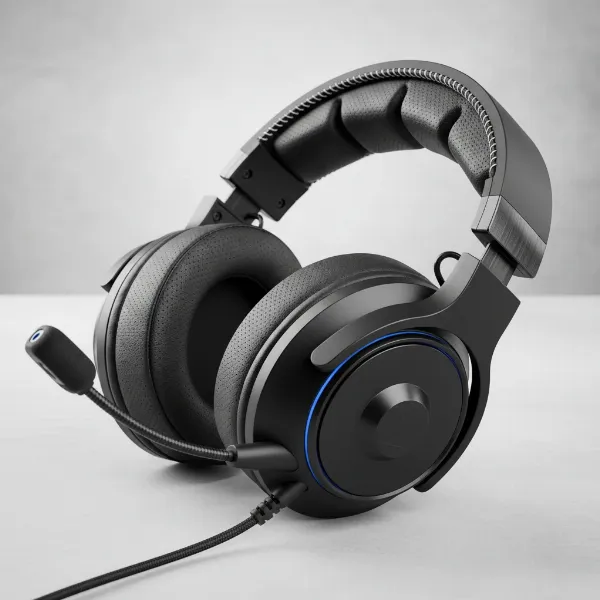 A sleek black over-ear gaming headset with large earcups and a padded headband, emphasizing comfort.
On-Ear Headsets
On-ear headsets, which rest on the ears rather than enclosing them, are generally less common in the high-performance gaming segment. Their more compact design typically means smaller drivers and less effective passive noise isolation compared to over-ear models. While some may offer virtual surround sound, the inherent design limitations often result in a less convincing and immersive spatial audio experience. They might appeal to users looking for portability or a lighter fit, but for critical spatial audio applications in gaming, they usually fall short of their over-ear counterparts.
In-Ear (Earbuds)
In-ear headphones, or earbuds, have significantly evolved, with some premium models now incorporating advanced digital signal processing (DSP) to simulate spatial audio. While traditionally offering limited soundstage due to their compact size, specialized gaming earbuds are emerging that aim to deliver directional audio cues. Their primary advantages lie in extreme portability and discreet design. However, achieving truly expansive and accurate spatial audio from such a small form factor remains a challenge, often relying heavily on software algorithms to create the illusion of space.
Noise-Cancelling Headsets
Noise-cancelling headsets are a game-changer for immersion, particularly when paired with spatial audio. Active Noise Cancellation (ANC) technology uses microphones to detect ambient sounds and then generates anti-noise sound waves to cancel them out, effectively muting distractions from your environment. This isolation allows you to fully concentrate on the subtle audio cues and expansive soundscapes created by spatial audio, enhancing both immersion and competitive awareness. The primary drawbacks include a potential slight increase in weight and reliance on battery power for the ANC function, but for gamers in noisy environments, the benefits are undeniable.
Wireless Headsets
The wireless gaming headset market has exploded in popularity, with a significant shift towards cable-free gaming. Modern wireless headsets now boast impressively low latency (often sub-15ms), rivaling wired connections, along with extended battery life, frequently exceeding 80 hours. For spatial audio, wireless technology has advanced to transmit complex audio signals without noticeable degradation, allowing the spatial processing to occur seamlessly. The freedom of movement they offer without sacrificing critical audio performance or immersion makes them a compelling choice for many gamers.
- 2.4GHz Wireless: This is the gold standard for gaming wireless connectivity, offering ultra-low latency crucial for competitive play. It typically uses a dedicated USB dongle for a stable, fast connection.
- Bluetooth: While convenient for connecting to mobile devices or for general audio, standard Bluetooth generally has higher latency, making it less ideal for competitive gaming. However, many premium wireless gaming headsets offer simultaneous Bluetooth and 2.4GHz connectivity, allowing you to mix game audio with calls or music.
- Proprietary Technologies: Brands like Turtle Beach and SteelSeries develop their own low-latency wireless protocols to ensure optimal performance.
Essential Factors When Choosing Gaming Headsets with Spatial Audio
Selecting the right spatial audio gaming headset involves a delicate balance of technical specifications, ergonomic design, and personal preference. Here are the critical factors to consider.
Sound Quality and Spatial Accuracy
At the core of any great gaming headset is its sound quality, but for spatial audio, accuracy is paramount. Spatial audio technologies like Dolby Atmos, DTS Headphone:X, and THX Spatial Audio utilize advanced algorithms and Head-Related Transfer Functions (HRTFs) to simulate a three-dimensional sound environment using standard stereo drivers. This creates the illusion that sounds are coming from specific directions and distances around you.
Beyond the technology, the headset’s drivers themselves play a massive role. Look for drivers that offer a balanced frequency response, allowing you to clearly distinguish deep bass from explosions, crisp mids for dialogue, and sharp trebles for crucial footsteps or distant gunshots. An accurate soundstage (how wide and open the sound feels) and precise imaging (the ability to pinpoint the exact location of a sound source) are key for competitive advantage, enabling you to react faster and more effectively to in-game cues.
 Abstract representation of spatial audio creating a 3D sound environment around a gamer's head.
Comfort and Fit
For long gaming sessions, comfort is not a luxury but a necessity. A comfortable headset prevents fatigue and allows you to stay focused on the game. Key elements include the design and materials of the earcups, the adjustability and padding of the headband, and the overall weight. Earpads made from breathable fabric or cooling gel-infused memory foam can prevent overheating and pressure points, while a well-distributed weight and appropriate clamping force ensure the headset stays secure without feeling too tight. Gamers who wear glasses should also look for designs that accommodate frames without causing discomfort.
Durability and Build Quality
A gaming headset is an investment, and its durability determines its longevity. High-quality materials such as reinforced plastic, metal frames, and braided cables contribute to a headset’s resilience against everyday wear and tear. Solid construction and robust hinges are important, especially for headsets that might be frequently taken on and off, or even traveled with. Paying attention to the build quality can save you from premature replacements and ensure your headset can withstand countless hours of intense gaming.
Connectivity and Battery Life
Connectivity options dictate versatility, while battery life is crucial for uninterrupted wireless gaming. For wireless models, 2.4GHz dongle connectivity offers the lowest latency, essential for gaming, while Bluetooth provides convenience for mobile devices or music. Some advanced headsets offer simultaneous dual-wireless connectivity, allowing you to seamlessly switch between or even mix audio sources. For wired headsets, 3.5mm analog connections offer universal compatibility, while USB-C provides digital audio and often enables virtual surround sound features.
For wireless headsets, battery life is a significant consideration. Top models now offer 50-80+ hours on a single charge. Features like quick charging or hot-swappable battery systems (like on the Turtle Beach Stealth Pro) are invaluable for eliminating downtime during marathon sessions.
Microphone Quality
Effective communication is the backbone of team-based gaming. A high-quality microphone ensures your teammates hear you clearly without distortion or background noise. Look for microphones with noise-canceling capabilities, which filter out ambient sounds like keyboard clicks or room chatter. Detachable boom mics are often preferred for their positional flexibility and superior voice pickup compared to integrated mics. Some headsets, like the Turtle Beach Stealth Pro, incorporate S.M.A.R.T. noise-cancelling boom microphones with concealed backup mics for professional-grade voice capture.
Additional Features
Beyond the core attributes, supplementary features can greatly enhance your gaming experience. This includes intuitive on-ear controls for volume, mic mute, and spatial audio activation. Companion software offers extensive customization options, allowing you to fine-tune EQ settings, create personalized spatial audio profiles, and manage microphone performance. Other valuable features might include multi-platform compatibility, game-specific sound presets, and even subtle haptic feedback for enhanced immersion.
Top Picks: Best Gaming Headsets with Spatial Audio
When it comes to finding the best gaming headsets that truly deliver an exceptional spatial audio experience, several models stand out. These headsets combine advanced sound technology with comfort and robust features tailored for discerning gamers.
| Headset Model | Spatial Audio Technology | Comfort | Connectivity | Mic Quality | Battery Life | Price Range | Key Features |
|---|---|---|---|---|---|---|---|
| SteelSeries Arctis Nova Pro Wireless | Sonar Audio Software Suite, Dolby Audio | Excellent | 2.4GHz Wireless, Bluetooth, Wired | Clear, noise-cancelling | 20+ hours (swappable) | Premium | Hi-Res Audio, ANC, hot-swappable batteries, multi-system connect, customizable EQ, high-fidelity spatial sound. |
| Audeze Maxwell | Audeze Maxwell Spatial Audio, Dolby Atmos (Xbox version) | Good (heavy) | 2.4GHz Wireless, Bluetooth, USB-C, 3.5mm | Excellent (planar mic) | 80+ hours | Premium | 90mm Planar Magnetic drivers for incredible detail, exceptional battery life, multi-platform support, robust build, highly customizable sound profile. |
| Razer BlackShark V2 Pro (2023) | THX Spatial Audio | Outstanding | 2.4GHz Wireless, Bluetooth | Superb (HyperClear) | 70 hours | Mid-to-High | Lightweight, extremely comfortable, excellent mic for competitive play, game-tuned audio presets, immersive THX Spatial Audio, solid wireless performance. |
| Turtle Beach Stealth Pro | Spatial Audio processing, Superhuman Hearing | Excellent | 2.4GHz Wireless, Bluetooth 5.1 | S.M.A.R.T. ANC Boom Mic | 12+ hours (swappable) | Premium | 50mm Nanoclear drivers, adjustable ANC, swappable dual battery system, simultaneous Bluetooth, lag-free wireless, detailed audio clarity, competitive audio cues. |
The SteelSeries Arctis Nova Pro Wireless is often lauded as one of the best overall, offering “high-fidelity spatial audio that drops you into the middle of the battlefield.” Its hot-swappable battery system ensures uninterrupted gameplay, and its comprehensive audio suite provides deep customization.
For audiophiles seeking unparalleled sound quality with spatial precision, the Audeze Maxwell stands out. Featuring “90mm planar magnetic drivers,” it delivers “clean, crisp, and full of detail” sound, enhancing spatial immersion significantly. While heavier, its comfort for long flights has been noted, proving that even substantial headsets can be worn for extended periods.
The Razer BlackShark V2 Pro (2023) is frequently recommended for its exceptional comfort and microphone quality, with built-in THX Spatial Audio providing a “slightly wider soundstage and more layered environmental sounds.” It offers a fantastic balance for most PC gamers, emphasizing comfort and clear communication alongside immersive audio.
The Turtle Beach Stealth Pro excels in ultimate audio immersion with its “hand-selected 50mm Nanoclear drivers” and adjustable Active Noise Cancellation. Its S.M.A.R.T. noise-cancelling boom microphone ensures crystal-clear communication, and the swappable dual battery system is a significant advantage for limitless gaming.
“Spatial audio doesn’t just make games sound bigger; it gives you a tactical edge, letting you pinpoint enemy movements with uncanny accuracy.” – Maya Deiss, Audio Technology Specialist
Buying Guide: How to Choose Your Perfect Spatial Audio Gaming Headset
Navigating the vast market of gaming headsets can be daunting. This buying guide will walk you through the process of selecting the ideal spatial audio headset that aligns with your specific needs and preferences.
Determine Your Gaming Needs
Before diving into specifications, consider how you primarily game. Are you a competitive esports player who needs to pinpoint every enemy footstep with extreme precision? Or do you prefer immersive single-player adventures where a rich, expansive soundscape is paramount? Your platform (PC, PlayStation, Xbox, Switch) will also influence compatibility and available features. Additionally, think about whether you’ll use the headset for other purposes, such as music listening or content creation, as this might impact your priorities for overall sound balance and microphone quality.
Set Your Budget
Gaming headsets with spatial audio range widely in price, from budget-friendly options that offer basic virtual surround to premium models with audiophile-grade drivers and advanced features. Setting a realistic budget upfront will help narrow down your choices. Entry-level options might provide decent virtual surround, while mid-range headsets often balance performance with additional features like wireless connectivity and improved comfort. High-end headsets typically boast superior sound quality, advanced noise cancellation, and premium build materials.
Research Spatial Audio Technologies
Not all spatial audio is created equal. Take time to understand the different technologies available:
- Dolby Atmos for Headphones: Offers a highly immersive, object-based sound experience, placing sounds above and below you, not just around.
- DTS Headphone:X: Known for its precise positional audio and customizable profiles.
- THX Spatial Audio: Aims to provide a realistic and accurate soundstage with enhanced immersion and directional awareness.
- Proprietary Solutions: Many brands have their own virtual surround sound engines, often optimized for their specific hardware, such as Turtle Beach’s Superhuman Hearing.
Each technology has its nuances, and some headsets support multiple standards, giving you more flexibility.
Read Reviews and Watch Comparisons
Once you have a few headsets in mind, delve into detailed reviews from reputable tech publications and gaming websites. Pay close attention to feedback regarding spatial audio performance, soundstage accuracy, comfort during long sessions, microphone clarity, and overall build quality. Watching video reviews can also provide valuable insights into a headset’s design and real-world performance. Cross-referencing multiple sources helps provide a balanced perspective and highlights any recurring issues or standout features.
Consider Trying Them On
Whenever possible, try on headsets in person before making a purchase. Comfort is highly subjective, and what feels great to one person might be uncomfortable for another. Pay attention to the clamping force, the feel of the earpads against your skin, and how the headset’s weight is distributed on your head. Test the adjustability of the headband and ensure the microphone can be positioned optimally. This hands-on experience is invaluable for ensuring a perfect fit and preventing buyer’s remorse.
Purchase from Reputable Retailers
Finally, always buy your gaming headset from reputable retailers that offer clear warranty policies and a hassle-free return process. This provides peace of mind in case of any defects or if the headset doesn’t meet your expectations. Check for any included software or additional accessories that might come with your purchase.
Conclusion
The evolution of spatial audio has fundamentally reshaped the gaming experience, offering unparalleled immersion and a distinct competitive edge. By understanding the nuances of sound quality, prioritizing comfort, and choosing a headset with reliable connectivity and a clear microphone, you can unlock new dimensions in your favorite games. Whether you’re tracking subtle footsteps in an FPS or getting lost in the cinematic grandeur of an RPG, the right spatial audio gaming headset will transform every session into an unforgettable adventure.
Ready to hear the difference and dominate the digital battlefield? Which spatial audio feature are you most excited to experience?
Frequently Asked Questions
Is spatial audio good for competitive gaming?
Absolutely. While some purists argue for raw stereo, modern spatial audio technologies like Dolby Atmos or THX Spatial Audio can provide a significant competitive advantage. They allow you to accurately pinpoint enemy locations, footsteps, and gunfire from all directions, enhancing situational awareness and reaction time, often crucial in fast-paced competitive titles.
What’s the difference between 7.1 surround sound and spatial audio?
Traditional 7.1 surround sound typically simulates seven distinct speaker channels and one subwoofer channel, offering directional audio on a horizontal plane. Spatial audio, on the other hand, is more advanced, often object-based and utilizing Head-Related Transfer Functions (HRTFs) to create a truly three-dimensional soundscape, including sounds above and below you, resulting in a more realistic and immersive experience.
Do I need special software for spatial audio?
Yes, most gaming headsets with spatial audio require dedicated software or drivers to enable and customize the feature. Technologies like Dolby Atmos and DTS Headphone:X often require a license or a specific application, while many headset manufacturers provide their own proprietary software (e.g., Razer Synapse, SteelSeries GG Sonar) for managing EQ settings and spatial audio profiles.