Hey everyone, Alex here, Editor-in-Chief at Headphones Me. Let’s talk about something that’s often overlooked in the quest for the perfect sound: the fit. You can have the most advanced drivers and the best Bluetooth codec on the market, but if your headphones are uncomfortable, none of it matters. Finding the answer to How To Find Headphones That Fit Your Ears is arguably the most crucial step in your audio journey. It’s the difference between an immersive listening session and an irritating distraction. Sound familiar? Let’s dive in and solve this once and for all.
Why a Perfect Fit is a Non-Negotiable
You might think comfort is the only reason fit matters, but it goes so much deeper than that. The fit of your headphones directly impacts two other critical pillars of your listening experience: sound quality and noise isolation.
Think of it like getting a good seal on a window. If there are gaps, outside noise gets in, and the controlled climate (your music) escapes. For headphones, a poor seal, especially with in-ear models, leads to a massive loss in bass response. That deep, thumping bass the manufacturer promised? It literally leaks out of your ears. Similarly, for over-ear headphones, a bad fit means the active noise cancellation (ANC) can’t work its magic effectively.
“The acoustic seal is the foundation of headphone performance. Without it, you’re not hearing what the engineers intended. Bass frequencies, in particular, require a sealed chamber to properly resonate. A poor fit is like listening to a home theater system with the doors and windows wide open.” – Johnathan Carter, Audio Engineer
In short, a great fit isn’t just about avoiding ear pain; it’s about unlocking the true potential of your audio gear.
The Three Main Form Factors: A Fit for Every Head
Before we get into the nitty-gritty, let’s cover the basics. Headphones generally come in three styles, and each has its own unique fit profile.
In-Ear Headphones (Earbuds)
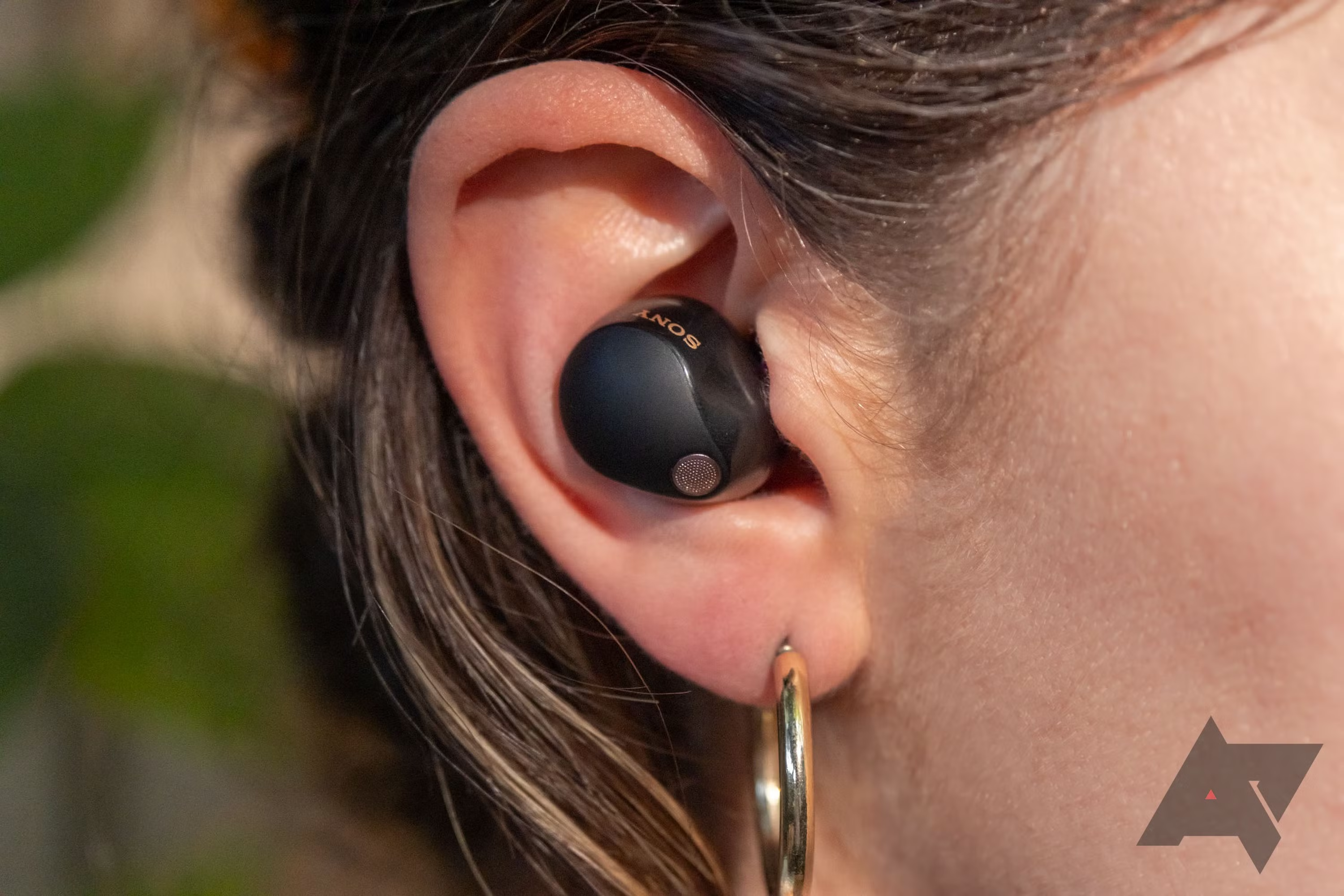
These are the small buds that go directly into your ear canal. They offer the best potential for passive noise isolation because they physically plug your ear.
- Pros: Highly portable, excellent for workouts, create a fantastic seal for powerful bass.
- Cons: Can cause ear fatigue for some, and finding the right ear tip is absolutely essential.
Over-Ear Headphones (Circumaural)
These are the big cans that completely enclose your ears. The earcups rest on the side of your head, not on your ears themselves.
- Pros: Generally the most comfortable for long sessions, offer a wide soundstage, and are great for both active and passive noise cancellation.
- Cons: Bulky, can get warm after extended use, and might interfere with glasses.
On-Ear Headphones (Supra-aural)
These are the middle ground. The earcups are smaller and rest directly on your ears instead of around them.
- Pros: More portable than over-ears, less intrusive than in-ears.
- Cons: Can cause pressure on the outer ear, and they generally offer the worst noise isolation of the three types.
The In-Depth Guide on How to Find Headphones That Fit Your Ears
Now let’s get specific. Whether you’re an in-ear devotee or an over-ear aficionado, here’s what to look for.
For In-Ear Headphone Lovers: The Ear Tip is Everything
If your earbuds constantly fall out or sound tinny, the problem is almost always the ear tips. Most people just use the medium-sized silicone tips that come pre-installed. That’s a huge mistake.
- Material Matters: Silicone vs. Foam
- Silicone: This is the standard. It’s durable, easy to clean, and comes in various shapes and sizes. The trick is to find a size that creates a seal without creating uncomfortable pressure. You should feel it’s secure, but you shouldn’t feel it constantly.
- Memory Foam (like Comply tips): This is my personal secret weapon for a perfect fit. You compress the foam tip, insert it into your ear, and it expands to create a perfect, custom seal. The audio quality improvement, especially in the low end, can be dramatic. They also provide superior noise cancellation.
- Size and Shape
Your ear canals are not perfectly round, and they’re almost certainly not the same size. Don’t be afraid to use a medium tip in your left ear and a small one in your right. Try all the sizes included in the box. The right fit should gently fill your ear canal. If you have to force it, it’s too big. If it feels loose, it’s too small. - Wings and Fins for a Secure Fit
For a truly locked-in feel, especially for running or the gym, look for earbuds with flexible wings or fins. These small silicone arches tuck into the folds of your outer ear (the concha), providing a second point of contact that makes them incredibly stable. This is a game-changer for an active lifestyle.
For Over-Ear Fanatics: It’s All About the Clamp and Cups
With over-ear headphones, you’re balancing three things: clamping force, earcup design, and headband comfort.
What is Headphone Clamping Force?
Clamping force is exactly what it sounds like: how tightly the headphones squeeze your head. Too little, and they’ll slide off when you look down. Too much, and you’ll have a headache in 30 minutes.
- Look for metal headbands: Many headphones with flexible steel or aluminum headbands can be gently stretched out by placing them over a stack of books or their box overnight to reduce a tight clamp. Be careful, but it works.
- Read reviews: This is a key metric we always test at Headphones Me. A good pair of headphones has enough clamp for a secure seal without causing pain.
Earcup Size, Depth, and Material
- Size and Depth: Your ear should fit completely inside the earcup without touching the sides or the driver covering on the inside. If your ear is pressed against any part of the cup, it will become sore over time. This is a huge factor for comfort.
- Material:
- Pleather/Protein Leather: Excellent for creating a seal and boosting noise cancellation. However, it can get hot and sweaty during long listening sessions.
- Velour/Microfiber: Incredibly breathable and soft, like pillows for your ears. They don’t isolate noise as well as leather, but their comfort is unmatched for long hours of gaming or office work.
- Hybrid Pads: The best of both worlds, often with leather on the outside for isolation and velour on the surface that touches your skin for comfort.
A Special Note for Glasses Wearers
If you wear glasses, finding comfortable over-ear headphones can be a nightmare. The clamping force presses the arms of your glasses into the side of your head. The solution? Look for headphones with extremely soft, plush earpads (memory foam is fantastic here). The soft foam will conform around the arms of your glasses, relieving the pressure point.
Don’t Overlook These Final Fit Factors
- Weight: A lighter pair of headphones will always be more comfortable over a full day. Anything under 250 grams is generally considered lightweight for an over-ear model.
- Adjustability: Ensure the headband has enough adjustment clicks to fit both small and large heads. The earcups should also have some pivot and swivel to conform to the angle of your head.
- Your Use Case: Will you be using them on a noisy commute or in a quiet office? For a 30-minute run or a 12-hour flight? Your primary activity will dictate whether you should prioritize a secure fit and noise cancellation (for commuting) over breathable materials and low clamping force (for home use).
Frequently Asked Questions (FAQ)
Q: How do I know if my earbuds fit correctly?
A: A correct fit for earbuds creates a gentle seal. You should notice a significant drop in outside noise and a fuller, richer bass response in your music. The earbuds should feel secure enough that they won’t fall out with normal head movement, but not so tight that they cause pain or pressure.
Q: Can headphones that don’t fit cause ear pain?
A: Absolutely. In-ear headphones that are too large can stretch the ear canal, causing soreness. On-ear and over-ear headphones with excessive clamping force can lead to tension headaches and pain on the outer ear (the pinna) and the area around it.
Q: What are the best headphones for someone with small ears?
A: For in-ear options, look for models that come with a wide variety of ear tip sizes, including extra-small (XS). For over-ear headphones, look for models with smaller, rounder earcups rather than large, oblong ones, and a headband with a wide range of adjustment.
Q: Do I need to “break in” my headphones for a better fit?
A: Yes, to an extent. The earpads on over-ear headphones will soften and conform to the shape of your head over time, improving comfort and the seal. The clamping force of some headbands may also lessen slightly with regular use.
Q: Will a better fit improve my headphone’s battery life?
A: Indirectly, yes. A better seal improves passive noise isolation, meaning the Active Noise Cancellation (ANC) system doesn’t have to work as hard. This can lead to a slight but noticeable improvement in overall battery life during ANC use.
The Final Verdict
Your journey to audio nirvana doesn’t start with specs; it starts with fit. Learning how to find headphones that fit your ears is the most personal, and most important, decision you’ll make. A perfect fit elevates every other feature, from audio quality and noise cancellation to simple, day-to-day enjoyment. Take the time to try different styles, experiment with ear tips, and pay attention to how they feel after 30 minutes, not just 30 seconds. Your ears will thank you for it.