Hey everyone, Alex here, Editor-in-Chief at Headphones Me. If you’ve ever found yourself deep in an audio forum at 2 AM or just unboxed a shiny new pair of cans, you’ve likely stumbled upon a term that divides the community: “burn-in.” The big question on everyone’s mind is What Is Headphone Burn In And Is It Real? Some swear by it as an essential ritual for unlocking a headphone’s true potential, while others dismiss it as pure myth. Let’s cut through the noise, separate fact from fiction, and figure out if you should be spending hours playing pink noise through your new investment.
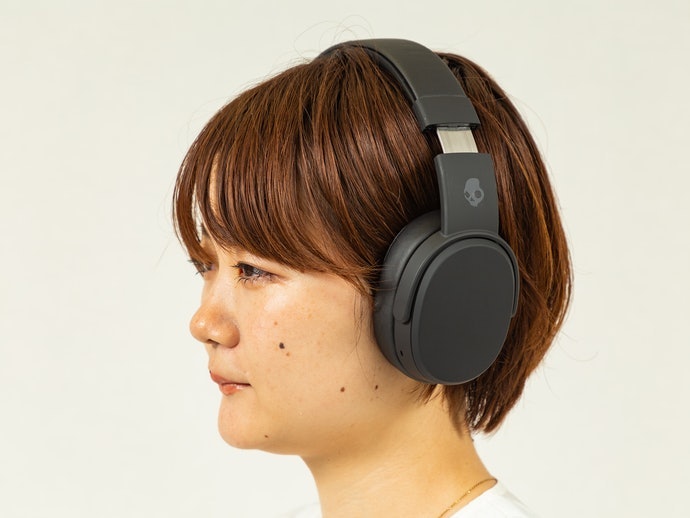
What Exactly is Headphone Burn-In? The Theory Explained
At its core, headphone burn-in (or break-in) is the idea that the audio components inside a new pair of headphones need a period of use to settle into their optimal state. The theory primarily focuses on headphones with dynamic drivers, which are the most common type on the market.
Think of it like breaking in a new pair of leather boots. When you first wear them, they might feel stiff and a bit uncomfortable. But after a few days of walking, the leather softens, stretches, and molds to your feet for a perfect fit.
The same principle is applied to headphone drivers. A dynamic driver has two key mechanical parts:
- The Diaphragm: A thin membrane that vibrates to create sound waves.
- The Suspension (or Surround): The flexible material holding the diaphragm in place, allowing it to move back and forth.
The theory goes that when these components are brand new, the suspension is stiff. Playing audio through the headphones for an extended period (anywhere from 20 to 200 hours) is said to “loosen up” this suspension, allowing the diaphragm to move more freely and accurately. Proponents claim this results in a more refined audio quality, often describing changes like a fuller bass response, smoother treble, and a more open soundstage.
The Great Debate: Is Headphone Burn-In Real?
This is where things get interesting. The audio world is split right down the middle, and both sides have compelling arguments. As your guide, it’s my job to lay out both perspectives so you can make your own informed decision.
The “Believers”: The Case for Burn-In
The camp that advocates for burn-in often relies on anecdotal evidence and subjective listening experience. Many seasoned audiophiles will tell you they’ve personally heard a noticeable difference in their headphones pre- and post-burn-in. They argue that the mechanical changes, while subtle, are audible to a trained ear.
They might describe the initial sound as “tight” or “constricted,” which then “opens up” after the burn-in process. The most commonly reported improvements are in the low frequencies, where a stiff driver might struggle to reproduce deep bass notes with authority. As the suspension loosens, the bass is said to become deeper and more controlled.
“From a mechanical standpoint, it’s plausible that a material under repeated stress, like a driver suspension, would see its physical properties change. The real question is whether that change is significant enough to be audible.” – Johnathan Carter, Audio Engineer with 15 years of experience.
The “Skeptics”: The Case Against Burn-In
On the other side of the aisle, you have a large group of engineers, testers, and hobbyists who argue that headphone burn-in is, at best, a placebo and, at worst, a complete myth. Their argument is primarily rooted in two things: objective measurement and psychoacoustics.
1. The Lack of Measurable Evidence:
Reputable testing sites that use highly sensitive, calibrated equipment to measure a headphone’s frequency response have largely failed to find significant, consistent changes after hundreds of hours of burn-in. The tiny variations they do find are often so small they fall within the margin of error for the test equipment itself, and are almost certainly inaudible to the human ear.
2. The Power of Psychoacoustics (Brain Burn-In):
This is the most compelling argument against physical burn-in. Psychoacoustics is the study of how our brain perceives sound. The theory here is that it’s not the headphones that are changing—it’s your brain.
When you listen to a new pair of headphones, your brain is adjusting to a new sound signature. If your old headphones were bass-heavy and your new ones are more neutral, they will sound “thin” or “bright” at first. Over several hours of listening, your brain adapts to this new sound, which becomes your new normal. This “brain burn-in” is a very real phenomenon, and it’s likely what most people experience when they perceive their headphones “sounding better” over time.
So, Should You Bother Burning In Your New Headphones?
Here’s the bottom line from my experience testing hundreds of headphones: meaningful, transformative physical burn-in is highly unlikely. The vast majority of what people perceive as burn-in is simply their brain getting accustomed to a new sound.
Your time is valuable. Spending 100 hours playing noise through your headphones is 100 hours you’re not enjoying your music. A high-quality pair of headphones from a reputable brand is designed and quality-tested to sound fantastic right out of the box. Any burn-in the manufacturer deemed necessary was likely done during factory testing.
My advice? Don’t stress about it. Just use your new headphones. The best way to “break them in” is to listen to your favorite albums. This allows for the most important burn-in process to happen naturally: your brain’s.
How to “Burn-In” Your Headphones (If You Still Want to Try)
If you’re curious and want to try it for yourself, there’s no harm in doing it, as long as you do it safely. Here is the generally accepted method:
- Connect to a Source: Plug your headphones into a reliable audio source, like your computer or a dedicated music player.
- Choose Your Audio: You can use a variety of sounds. Popular choices include:
- Pink Noise: A sound that has equal energy per octave, making it sound more balanced than white noise.
- White Noise: A sound that has equal energy at all frequencies, similar to radio static.
- A Varied Music Playlist: A long playlist with a wide range of genres, frequencies, and dynamic range is arguably the most “natural” way to do it.
- Set a Safe Volume: This is critical. Set the volume to a normal, comfortable listening level. Do not blast the volume. Playing audio too loudly for extended periods can permanently damage the drivers, which is the exact opposite of what you want to achieve.
- Let It Play: Leave the headphones playing for at least 40-50 hours. Some enthusiasts go for over 100. Find a quiet place where the sound won’t disturb you.
- Listen and Compare: Listen to a few familiar tracks before you start the process, and then listen to the same tracks afterward to see if you can hear a difference.
What’s More Important Than Headphone Burn-In?
Instead of worrying about burn-in, focusing on these factors will have a much bigger impact on your listening experience:
- A Proper Seal and Fit: This is especially crucial for in-ear monitors and over-ear, closed-back headphones. A poor seal can destroy bass response and ruin noise isolation. Take time to find the right ear tips or adjust the headband for optimal comfort and seal.
- High-Quality Source Files: You can’t get great sound from a poorly compressed 128kbps MP3 file. Use high-resolution, lossless audio files (like FLAC, ALAC) or a high-quality streaming service (like Tidal HiFi or Amazon Music HD).
- A Good Digital-to-Analog Converter (DAC) and Amplifier: The audio circuitry in your phone or laptop is often an afterthought. An external DAC/Amp can provide cleaner, more powerful sound, especially for high-impedance headphones.
- Equalization (EQ): Don’t like the default sound signature? Most modern devices and apps have built-in EQs. A few small, tasteful tweaks can tailor the sound to your exact preferences.
Frequently Asked Questions (FAQ)
Q: Does headphone burn-in apply to all headphone types?
A: The theory is most often applied to dynamic drivers due to their mechanical suspension. Planar magnetic and electrostatic headphones have different driver designs with fewer moving parts that would be subject to mechanical change, making burn-in even less likely for them.
Q: Can you damage headphones by trying to burn them in?
A: Yes, absolutely. If you play audio at an excessively high volume for a prolonged period, you risk overheating the voice coil and permanently damaging the driver. Always use a moderate, normal listening volume.
Q: How long should headphone burn-in take?
A: There is no standard. Recommendations from believers range from as little as 20 hours to over 200. Since the effect is debatable, the duration is equally so.
Q: Is there a specific ‘burn-in track’ I should use?
A: While specialized tracks and noises exist, simply playing a varied playlist of music is perfectly fine and might even be better, as it exposes the driver to the full range of frequencies and dynamics it will encounter in normal use.
Q: Do earbuds and true-wireless models need burn-in?
A: Since most earbuds use tiny dynamic drivers, they fall under the same theoretical umbrella. However, the same counter-arguments apply: the effects are likely negligible, and brain burn-in is the far more significant factor.
The Final Verdict
So, after all this, what is headphone burn in and is it real? While there is a plausible mechanical theory behind it, there is no conclusive, objective evidence to prove it makes an audible difference. The overwhelming consensus in the technical community is that “brain burn-in” is the real phenomenon at play.
My final recommendation as your trusted expert at Headphones Me is simple: save your time and electricity. The best thing you can do for your new headphones is to put them on your head and enjoy the music you love. That’s what they were made for, after all.